TREATMENT TECHNOLOGIES
Treatment technologies: the right process for the right water.
Treatment technology should follow the characteristics of the water and the performance requirement — not the other way around.
We work with established treatment processes that can be configured individually or combined into complete treatment trains according to the application.
Technology selection starts with the water: its source, composition, variability, required treated-water quality and intended use or discharge route.
Treatment families
Start with the treatment objective.
Move from family to process. Each section explains where named technologies fit and where selection remains a site-specific treatment pathway.
01 · Water Treatment
A pathway built from source to use.
Water treatment is presented as a process pathway because the precise train depends on the source water and the quality required by the application. Named technologies are specified only after analysis and design.
Explore Water Treatment Solutions- 01SourceCharacterise the incoming raw, borewell, surface or process water.
- 02Pre-treatmentRemove material that would interfere with downstream treatment.
- 03PurificationSelect separation and conditioning stages for the target quality.
- 04PolishingRefine the water where the application requires tighter quality control.
- 05Process or high-purity useDeliver fit-for-purpose water to the intended application.
02 · Wastewater Treatment
Processes grouped by how treatment works.
The biological technologies below sit within distinct process families. The final process train may also include physico-chemical treatment, clarification, filtration, disinfection and sludge handling.
Biological + membrane
Biological treatment with membrane solids separation.
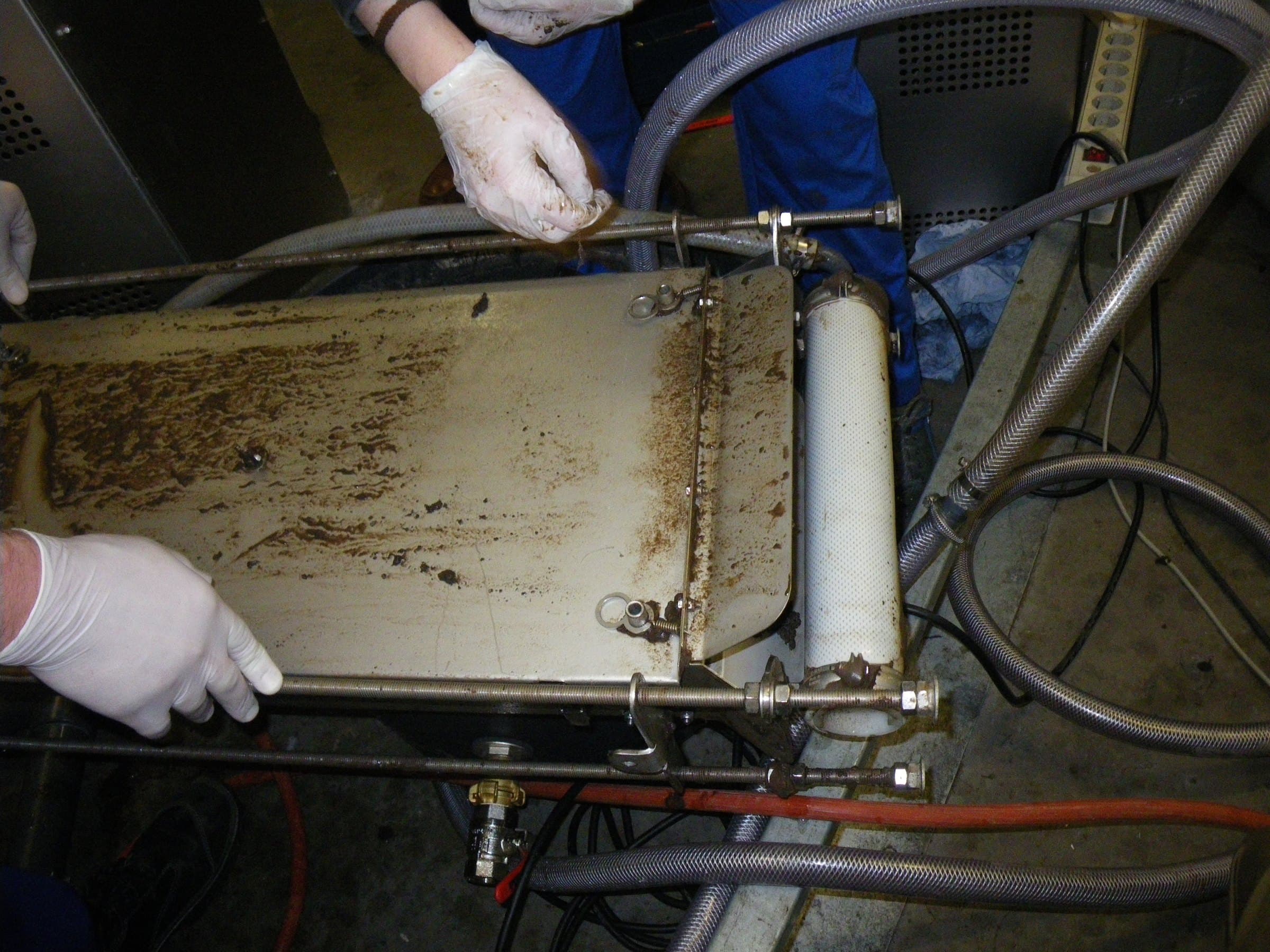
Attached growth
Biomass grows on moving or fixed support media.
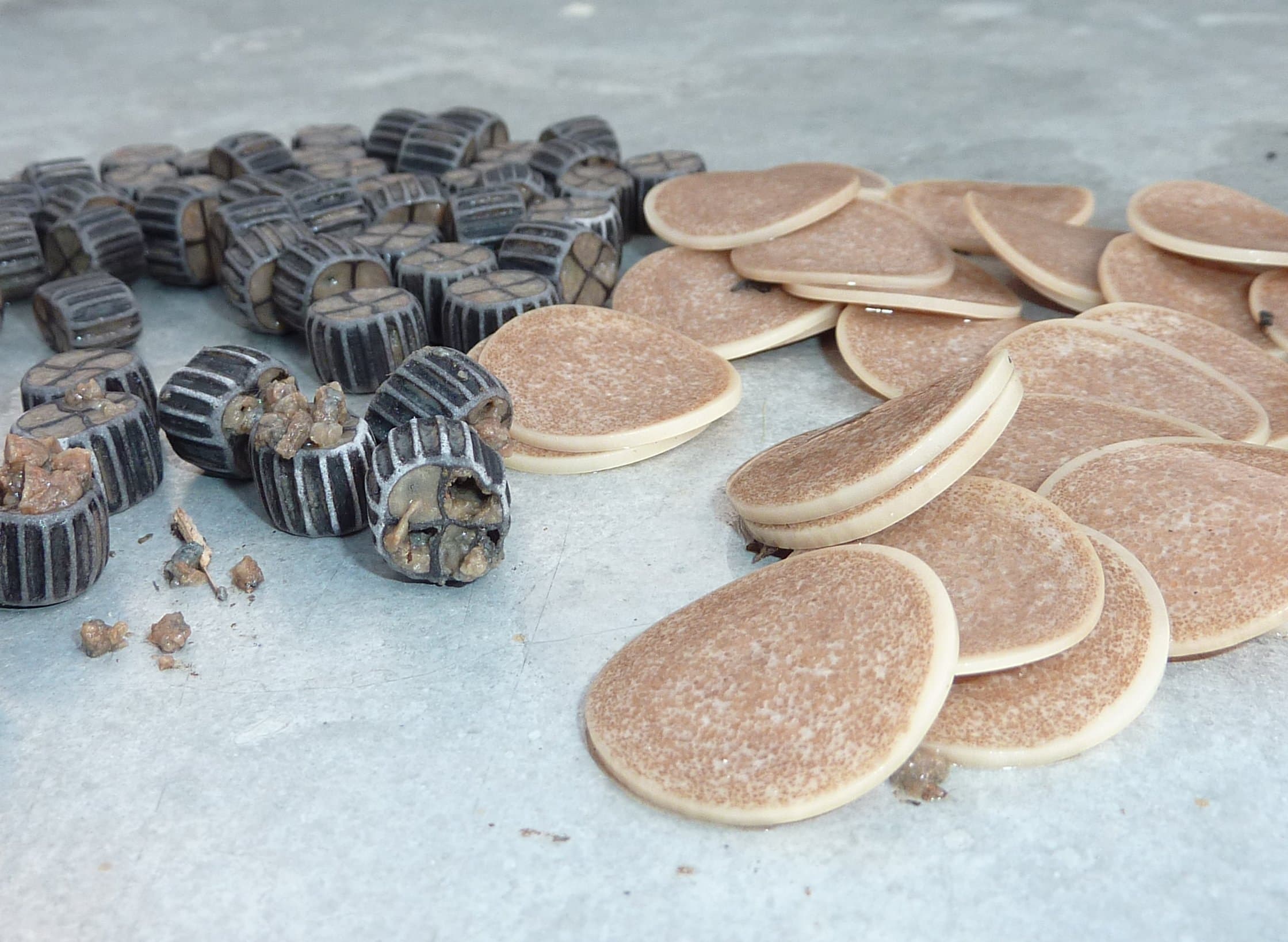
Wastewater Treatment
Moving Bed Biofilm Reactor
Attached-growth biological treatment using carrier media that provide surface area for microorganisms while moving within the reactor.
Process family · Attached growth
Typical use · Sewage and industrial wastewater needing robust treatment and operational flexibility
Explore
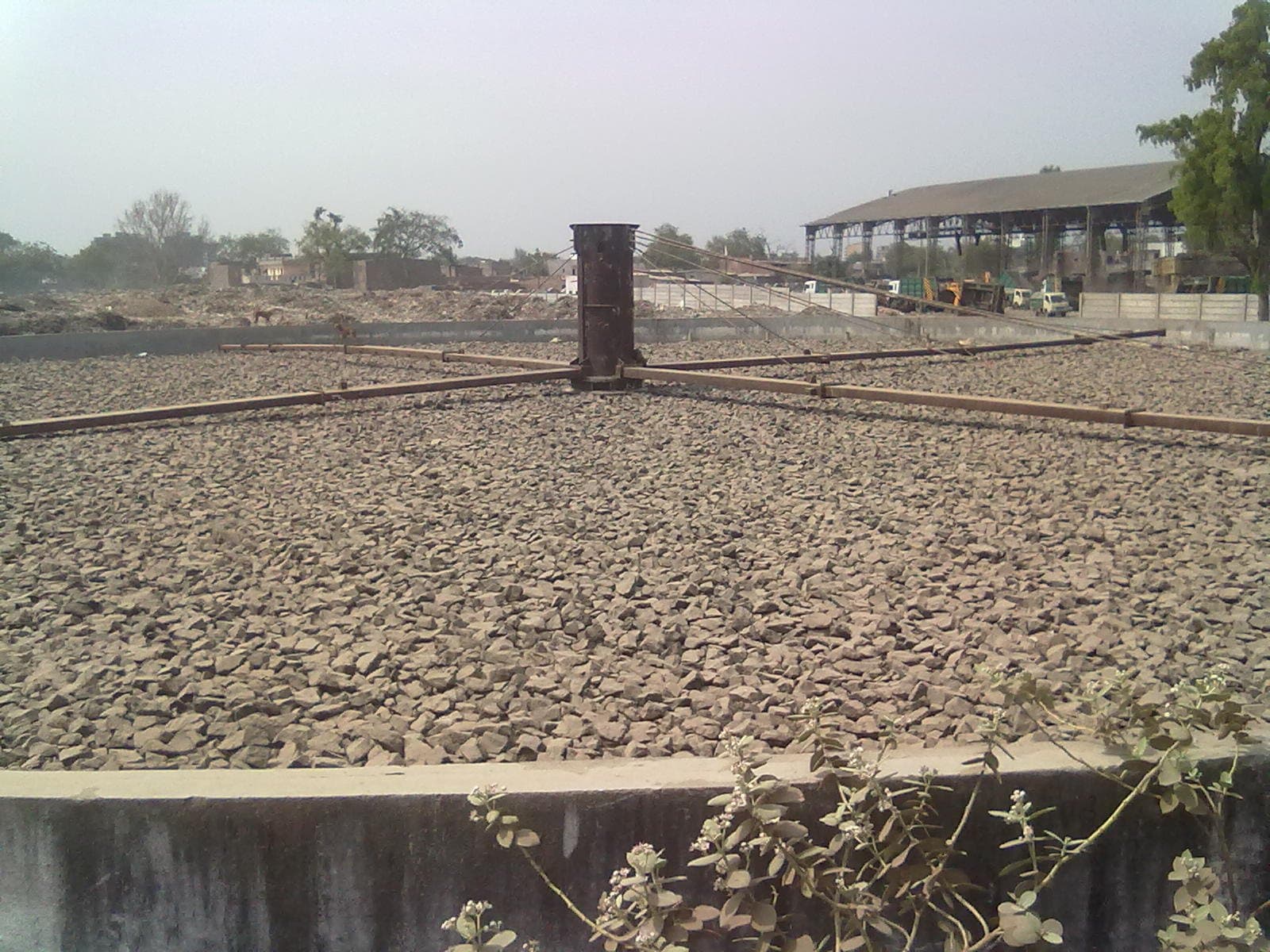
Wastewater Treatment
Submerged Aerobic Fixed Film
An aerobic attached-growth process in which biomass develops on submerged fixed media.
Process family · Attached growth
Typical use · Compact sewage and wastewater systems suited to a fixed-media process
Explore
Activated sludge / batch
Suspended-growth treatment in continuous or sequenced operation.
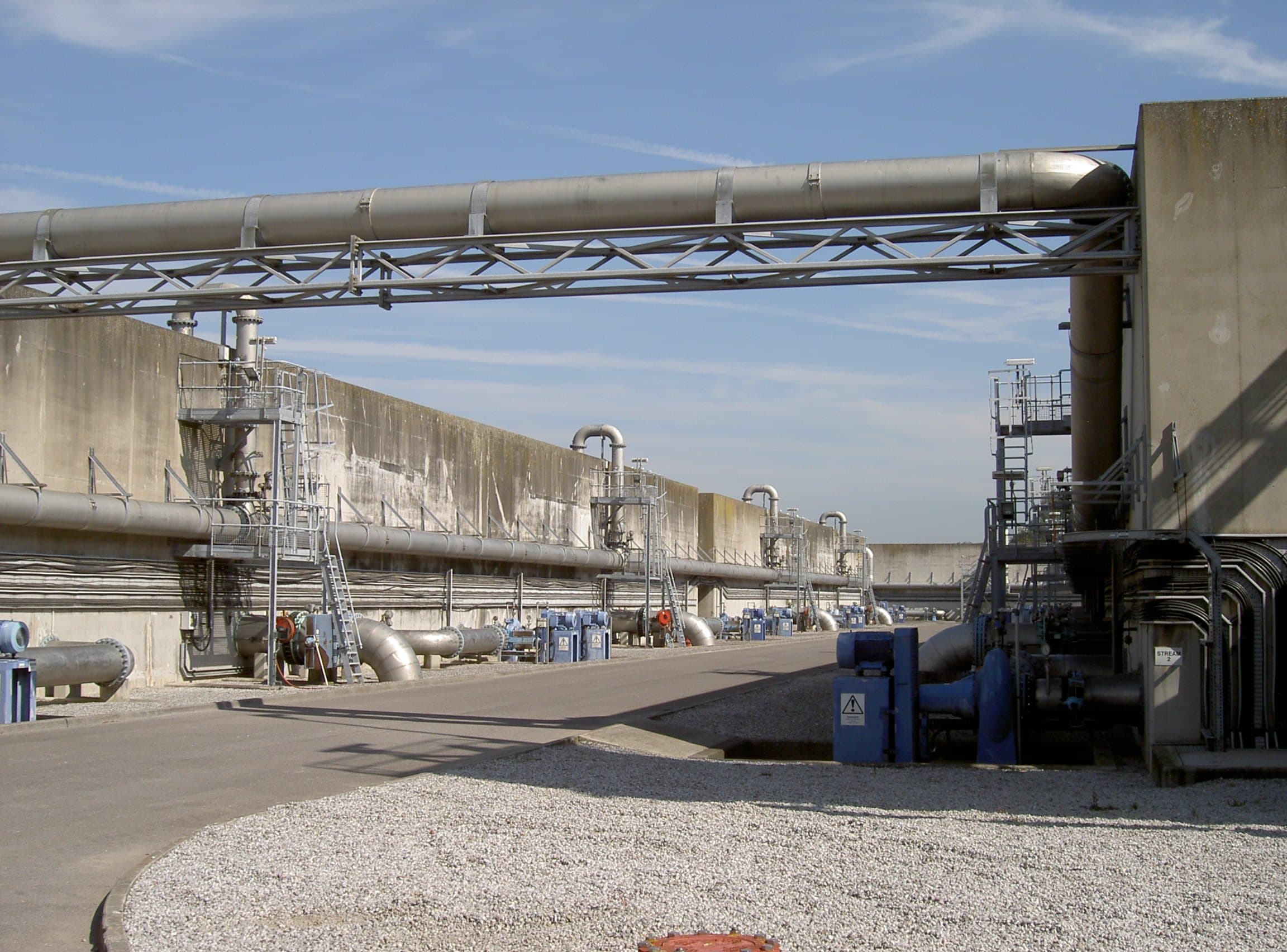
Wastewater Treatment
Sequencing Batch Reactor
A biological process in which treatment stages occur sequentially within the same reactor through controlled operating cycles.
Process family · Activated sludge / batch
Typical use · Variable flows where batch-cycle operation offers process flexibility
Explore
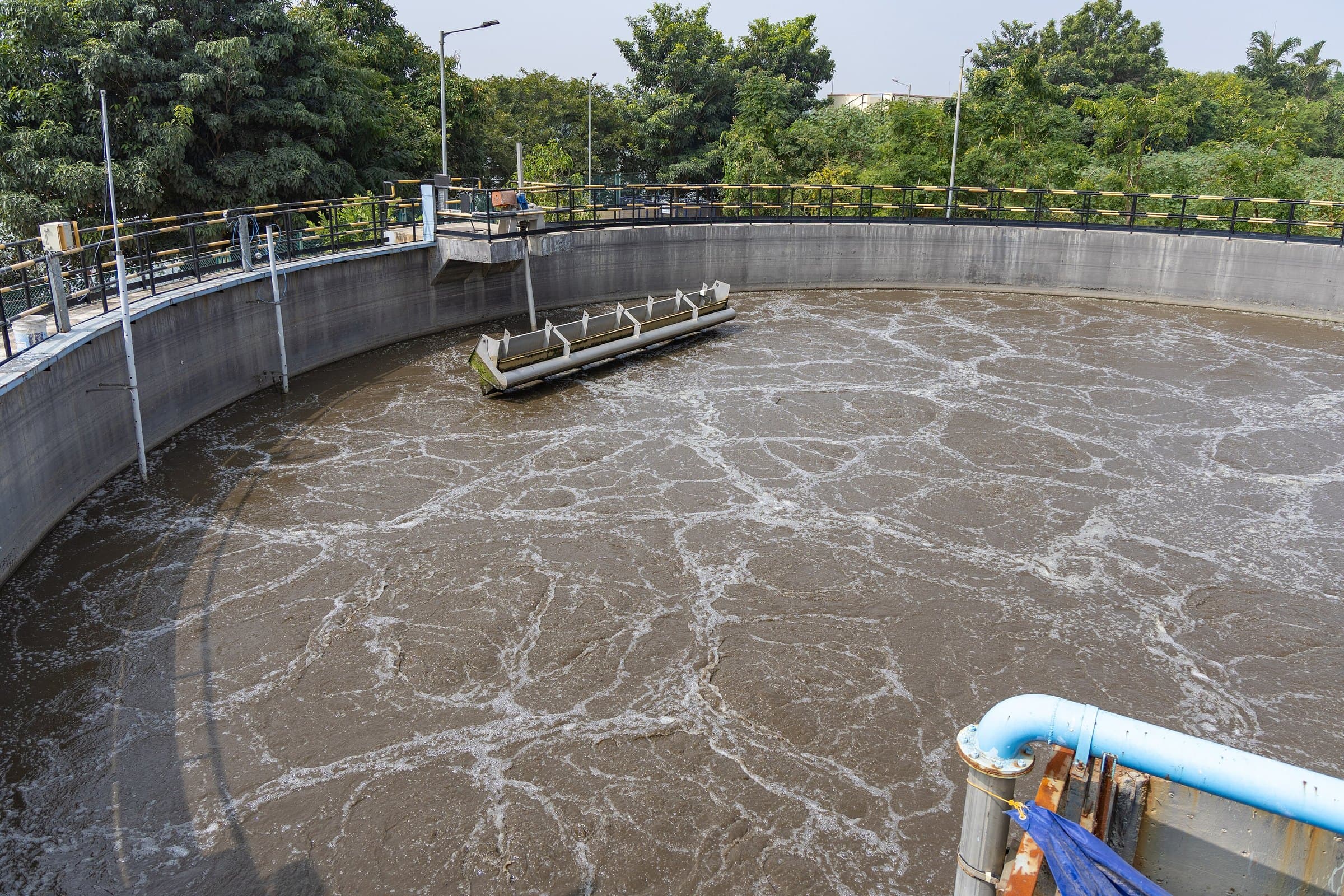
Wastewater Treatment
Extended Aeration
An activated-sludge process using extended aeration periods for stable biological treatment.
Process family · Activated sludge / batch
Typical use · Sewage treatment plants needing a relatively robust biological process
Explore
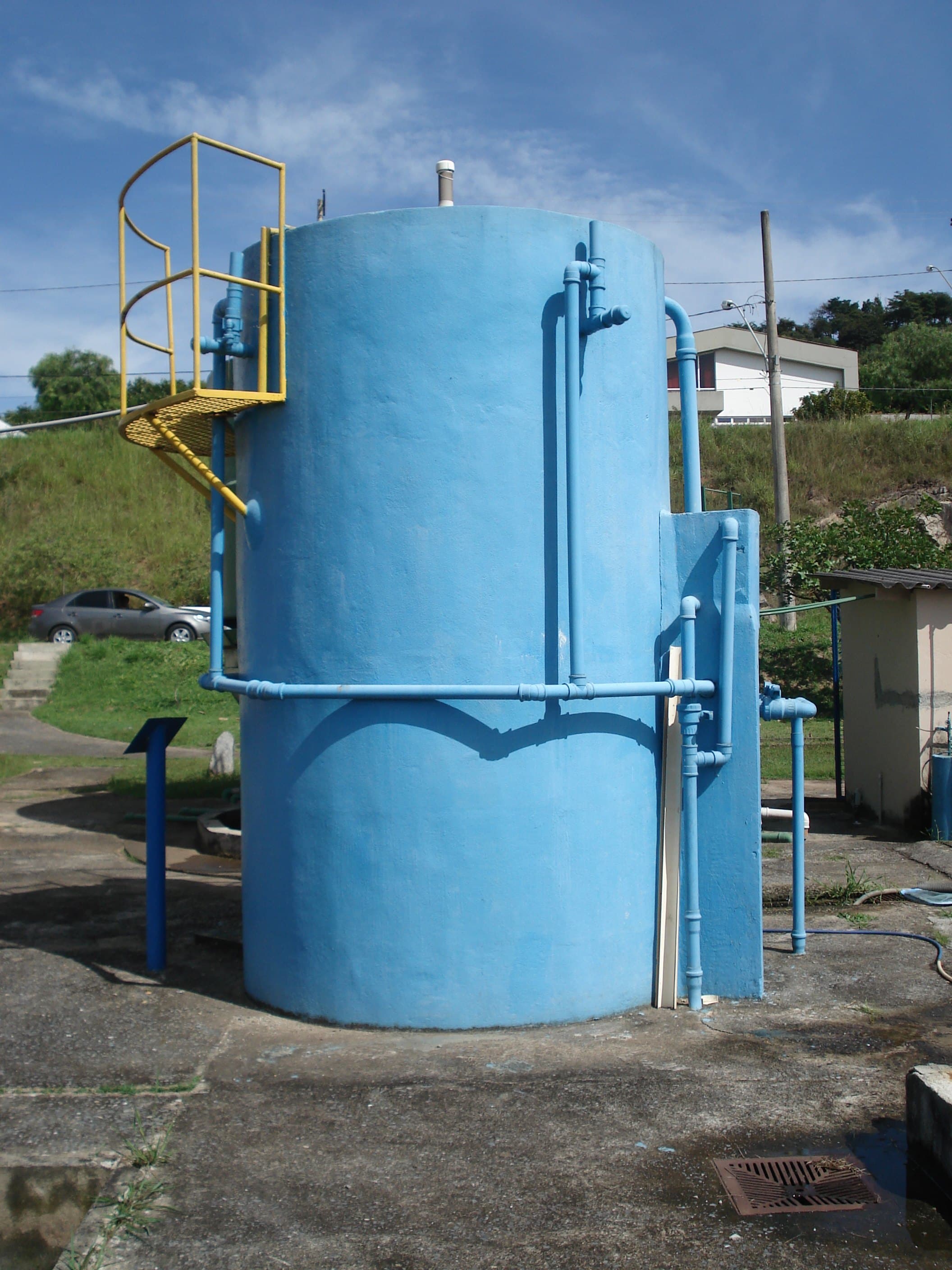
Anaerobic
Treatment without reactor aeration for suitable higher-strength organic streams.
Compared
How the biological processes differ.
No biological process is best for every site. They differ in how biomass is held, how solids are separated and the conditions in which each is typically evaluated. The comparison is general — selection follows the wastewater, the site and the treated-water objective.
| Technology | How biomass is held | How solids are separated | Often evaluated when |
|---|---|---|---|
| MBRMembrane Bioreactor | Suspended growth (activated sludge) | Membrane filtration | Space is limited, or treated water is intended for reuse |
| MBBRMoving Bed Biofilm Reactor | Attached growth on moving carrier media | Settling after the reactor | Loads vary, footprint is restricted, or an existing plant needs capacity |
| SAFFSubmerged Aerobic Fixed Film | Attached growth on fixed submerged media | Settling | Small to medium or packaged plants with simple operation |
| SBRSequencing Batch Reactor | Suspended growth in timed batch cycles | Settling and decanting in the same tank | Flows are intermittent or vary significantly |
| EAExtended Aeration | Suspended growth with long aeration | Secondary clarifier | Robustness matters most and space is available |
| UASBUpflow Anaerobic Sludge Blanket | Anaerobic sludge blanket | Three-phase separator, then aerobic polishing | Effluent has a high organic load |
03 · Recovery & Reuse
Treatment shaped by the next destination.
Water recovery treats wastewater to a defined reuse quality. Advanced recovery and discharge management add membrane and thermal stages where the site objective requires them.
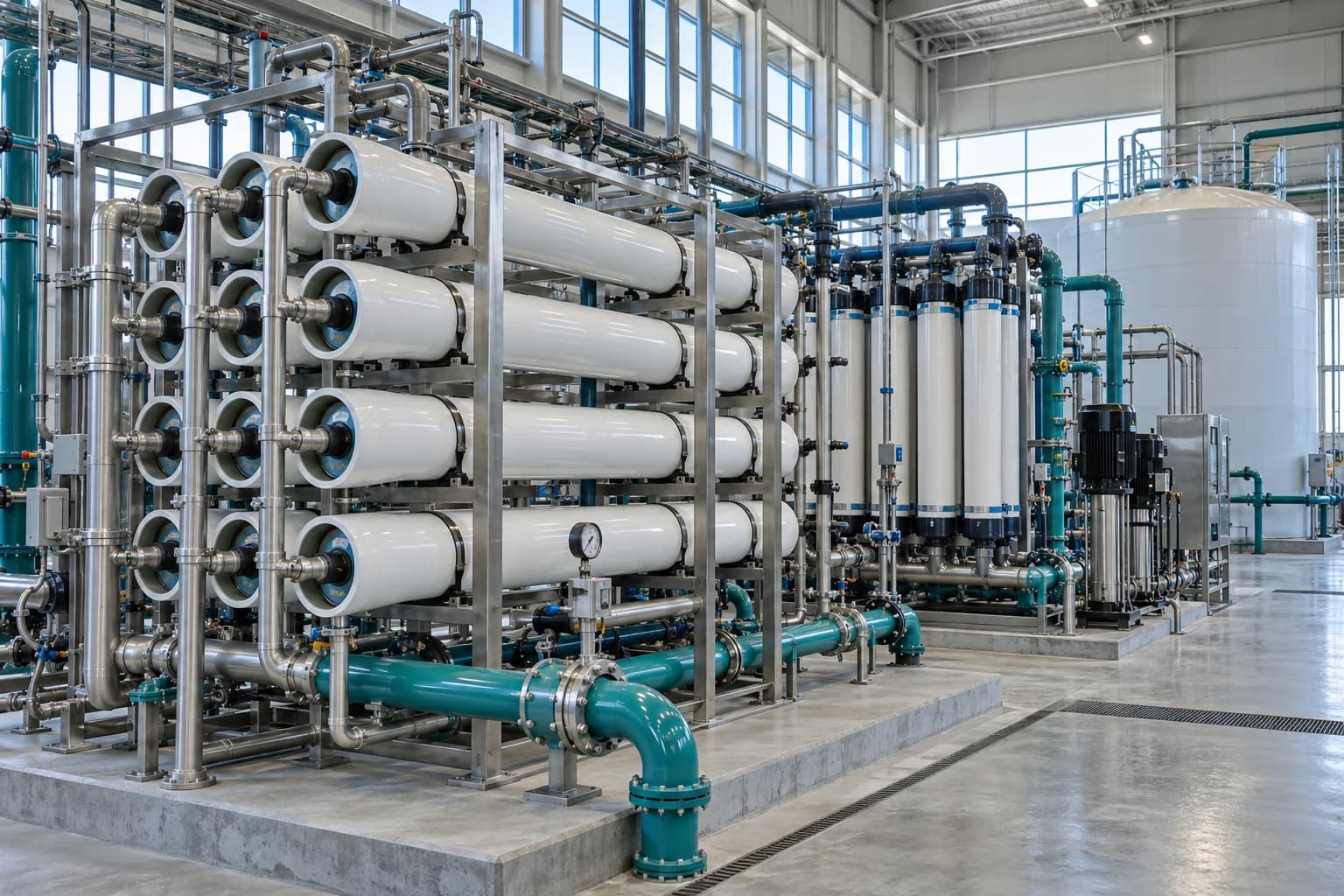
Recovery & Reuse
Wastewater Recycling
Additional treatment of wastewater to achieve water quality suitable for a defined reuse application.
Process family · Water recovery
Typical use · Flushing, landscaping, cooling, utilities and selected process uses
Explore
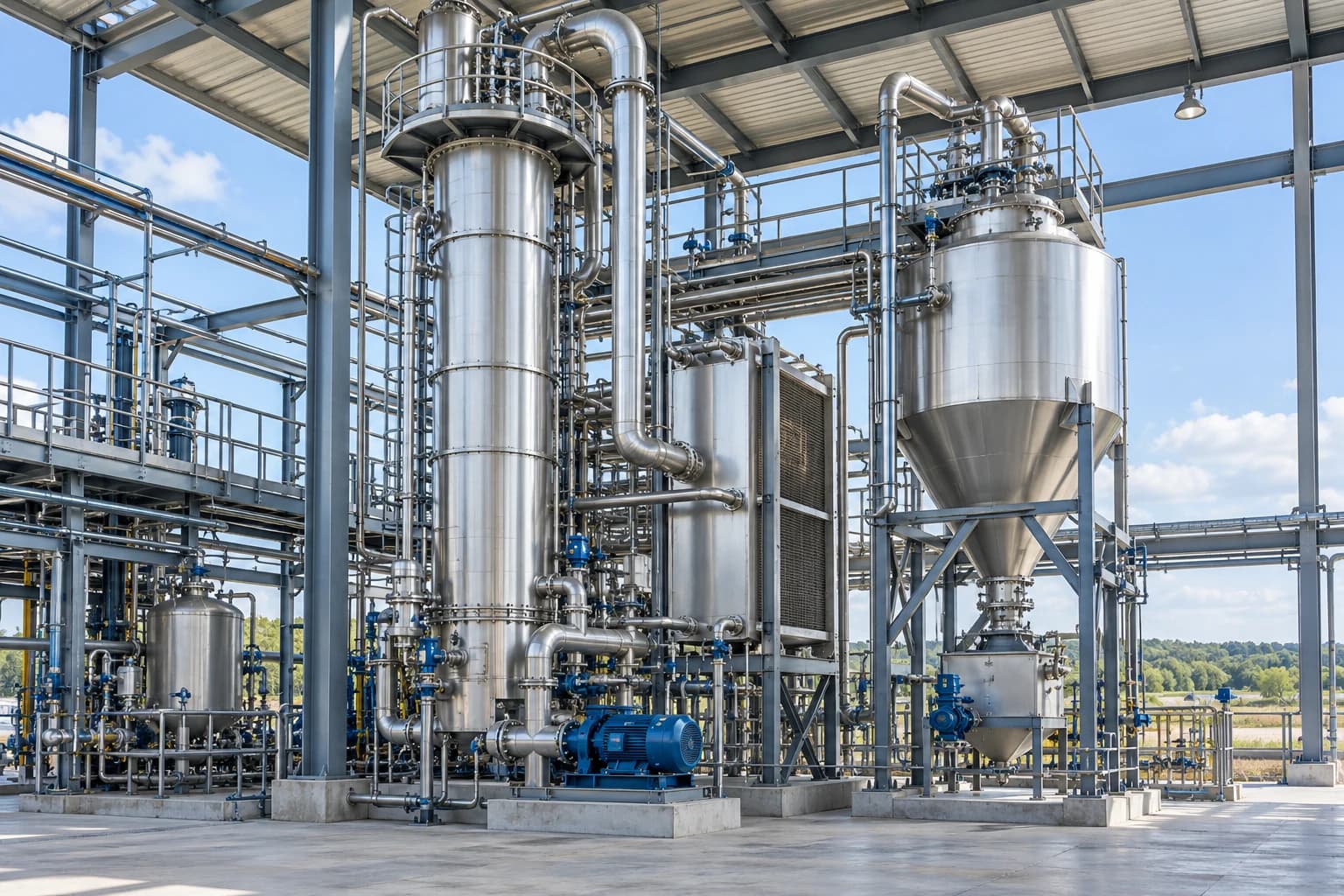
Recovery & Reuse
Zero Liquid Discharge
A treatment and recovery approach combining suitable membrane and thermal processes to recover water while managing concentrated residual streams.
Process family · Advanced recovery / discharge management
Typical use · Industrial sites where liquid discharge must be minimised or eliminated
Explore
Technology selection
What decides the process.
- 01
Wastewater characteristics
Organic load, solids, oils, pH and dissolved contaminants set the treatment stages required.
- 02
Site conditions
Available space, existing tanks, power and operator availability shape the configuration.
- 03
Treated-water quality
The quality the treated water must reach defines how far treatment has to go.
- 04
Reuse or discharge standard
Whether water is discharged or reused — and for what — determines the final polishing steps.

Treatment selection
Let's find the right process for your water.
Share your water characteristics, site constraints and reuse or discharge goals. Our engineering team can develop the appropriate treatment pathway.