Biological + membrane
MBR — Membrane Bioreactor
Biological treatment combined with membrane separation for applications that require a highly clarified treated-water stream.
Overview
What is MBR?
A Membrane Bioreactor (MBR) is a biological wastewater-treatment process that combines activated sludge treatment with membrane filtration. Instead of settling in a clarifier, treated water is drawn through membranes that retain suspended solids and biomass, producing a highly clarified treated-water stream. MBR can form part of an STP or an industrial treatment train, and is often evaluated where space is limited or treated water will be reused.
A membrane bioreactor combines an activated sludge biological process with membrane filtration. Instead of relying on gravity settling in a secondary clarifier, treated water is drawn through membranes that physically retain suspended solids and biomass.
Because separation no longer depends on secondary settling, the process can support a highly clarified treated-water stream and reduce reliance on separate clarification stages. It is often considered where water reuse is an objective.
How the process works
The MBR process flow.
A typical sequence. Stages are configured for each plant's wastewater and treatment objectives.
01
Fine screening
Pre-treatment removes fibres, grit and debris that could damage or foul the membranes.
02
Biological reactor
Aerated tanks host microorganisms that break down dissolved and suspended organic matter.
03
Membrane separation
Submerged or external membrane modules retain solids and biomass while water passes through.
04
Permeate
Filtered treated water is drawn off for disinfection, discharge or reuse.
05
Membrane care
Air scouring and periodic cleaning keep membranes performing over their working life.
Key characteristics
What sets MBR apart.
Compact footprint
Membranes replace the secondary clarifier and tertiary filtration stages.
Consistent clarity
Physical separation produces treated water largely independent of sludge settling.
Reuse-ready
Treated water is well suited to recycling for non-potable applications.
Automated operation
Membrane filtration, scouring and cleaning cycles are controlled automatically.
Typical Applications
Where MBR is typically considered
- Commercial complexes
- Residential complexes
- Hospitality
- Hospitals
- Educational institutions
- Industrial wastewater recycling
Selection factors
When MBR may be evaluated
- Plant space is limited.
- Treated water is intended for reuse on site.
- Discharge requirements call for consistently clarified water.
- An existing plant needs upgrading within its current footprint.
Relevant solutions
Solutions MBR can form part of.
A named technology is one part of a treatment train. Its role is confirmed through water analysis, process design and the required outcome.
Related technologies
Other technologies that may be evaluated.
Wastewater Treatment
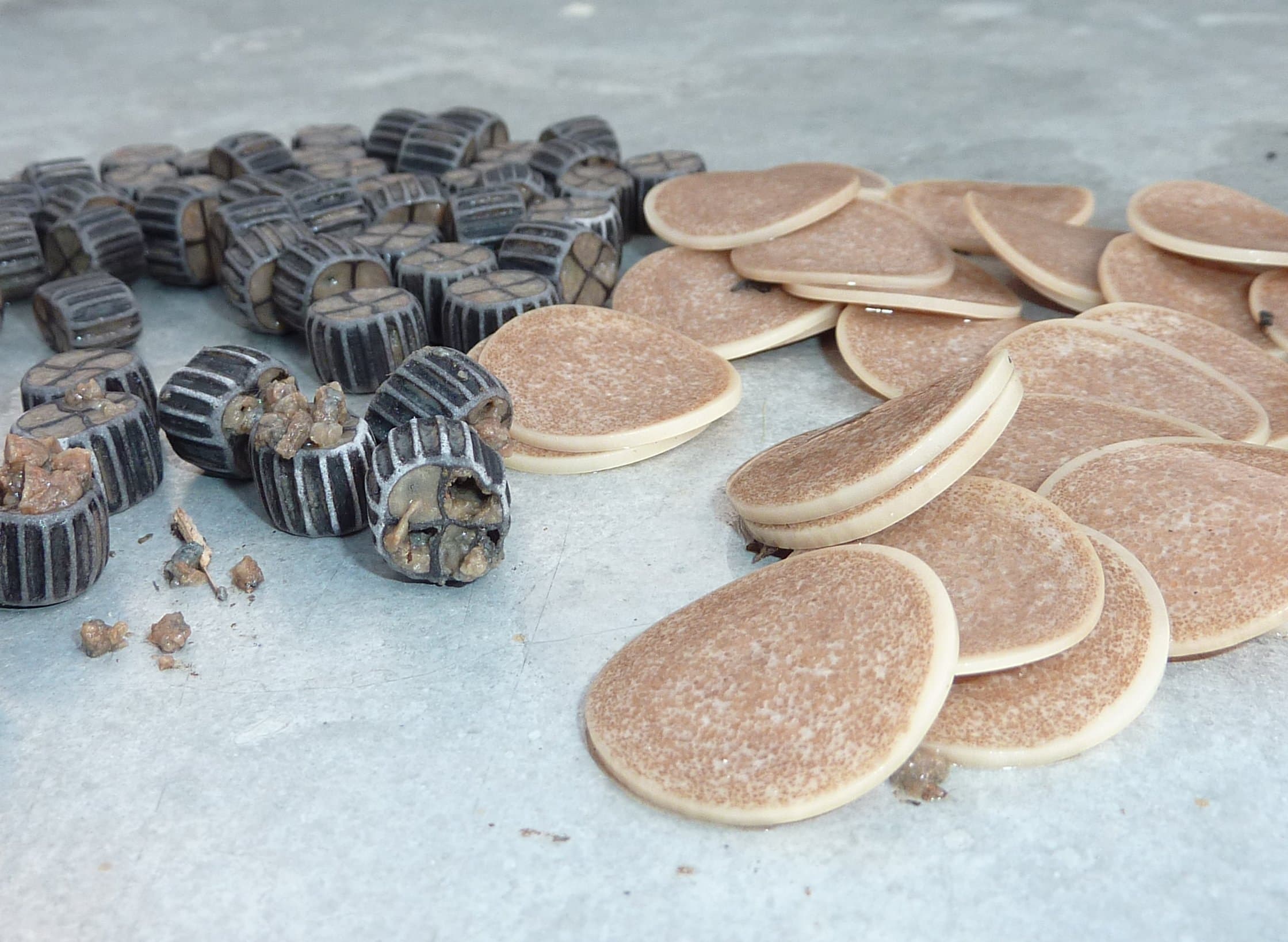
Moving Bed Biofilm Reactor
Attached-growth biological treatment using carrier media that provide surface area for microorganisms while moving within the reactor.
Process family · Attached growth
Typical use · Sewage and industrial wastewater needing robust treatment and operational flexibility
Explore
Recovery & Reuse
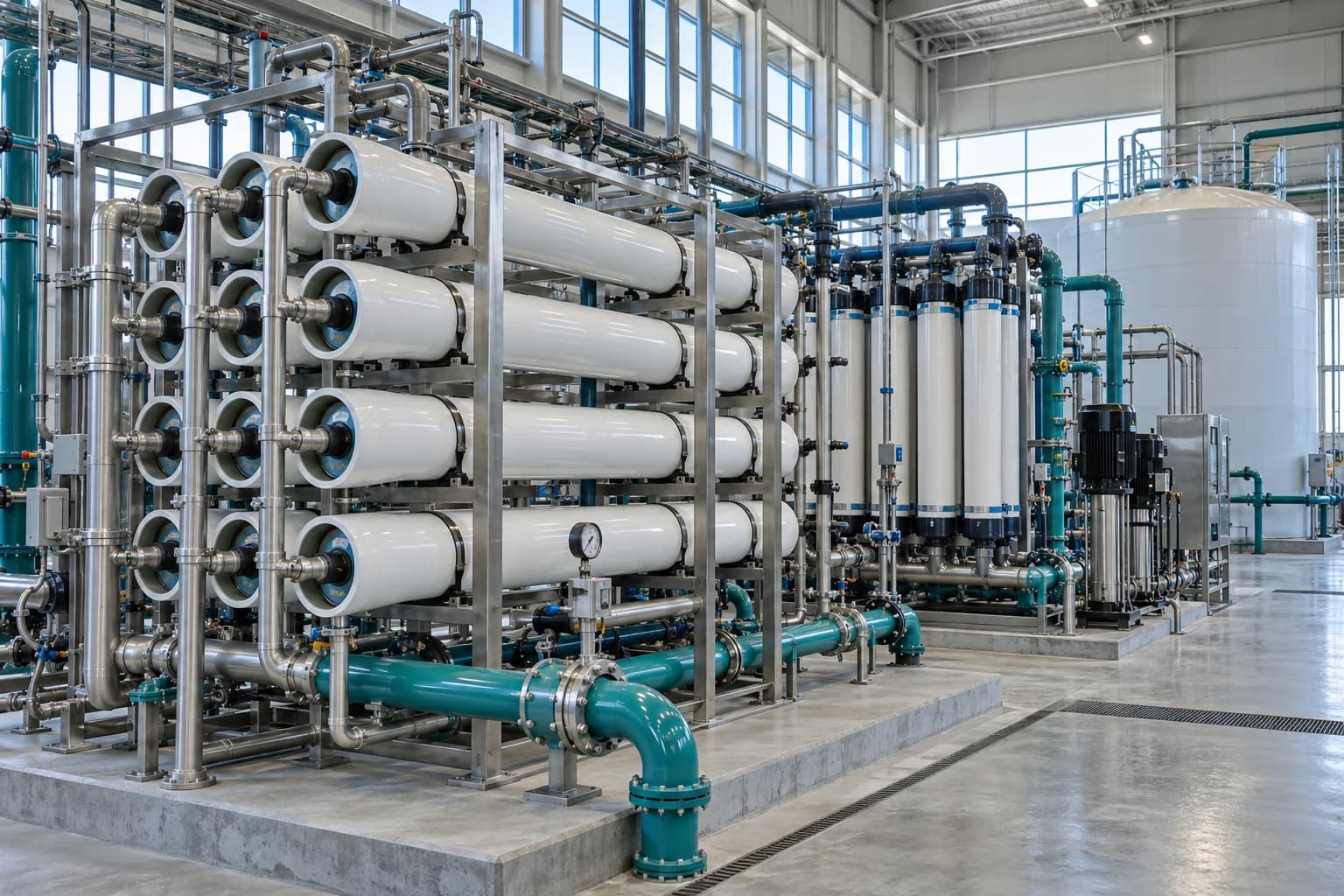
Wastewater Recycling
Additional treatment of wastewater to achieve water quality suitable for a defined reuse application.
Process family · Water recovery
Typical use · Flushing, landscaping, cooling, utilities and selected process uses
Explore
Recovery & Reuse
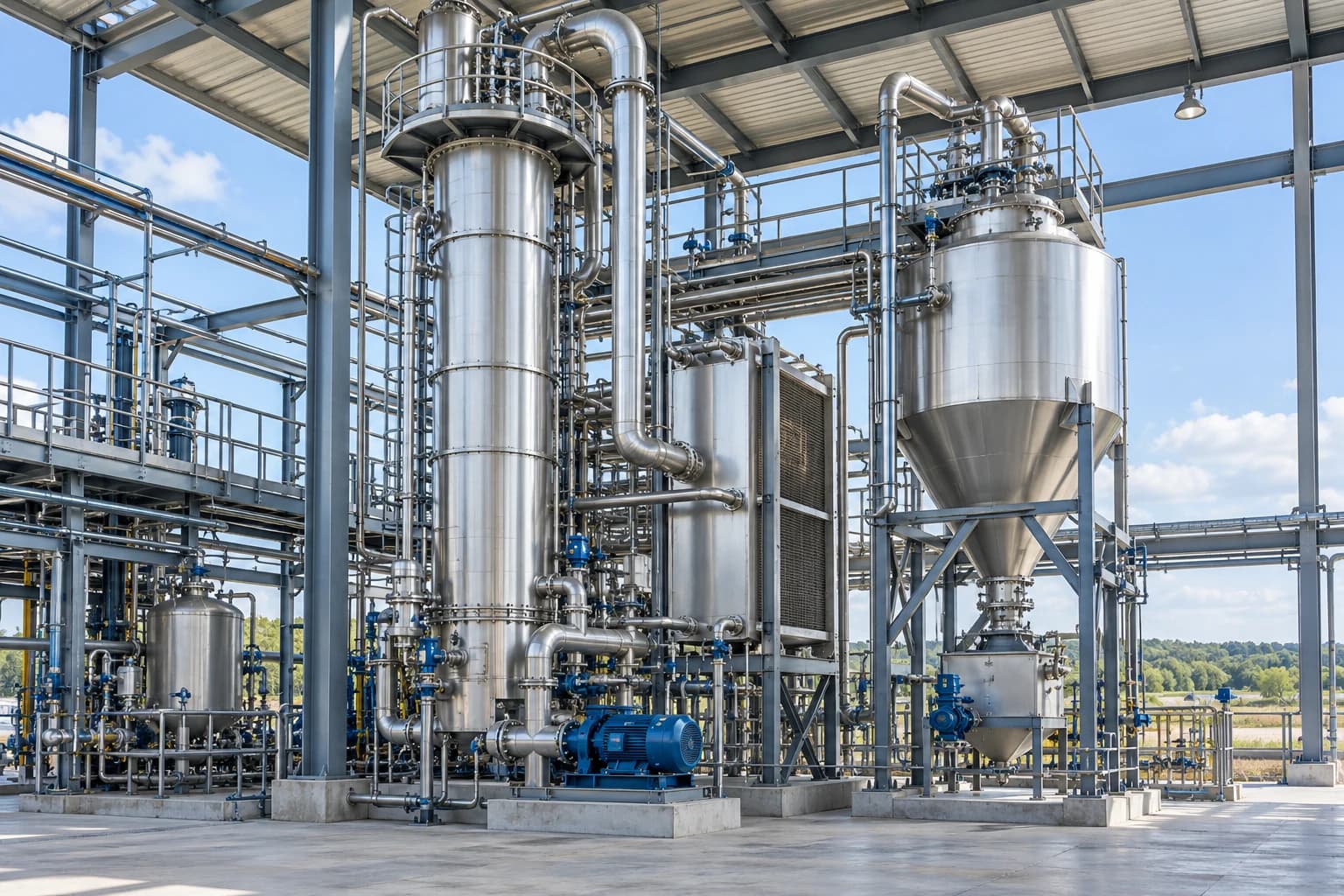
Zero Liquid Discharge
A treatment and recovery approach combining suitable membrane and thermal processes to recover water while managing concentrated residual streams.
Process family · Advanced recovery / discharge management
Typical use · Industrial sites where liquid discharge must be minimised or eliminated
Explore

Technology selection
Is MBR right for your site?
Technology selection depends on the wastewater, the space available and the treated-water objective. Share what you know about your requirement and our engineering team can help compare the options.