Skip to content

Wastewater Treatment

Treat the wastewater you have — not the one a textbook assumes.

Industrial process wastewater, commercial wastewater and domestic sewage differ in flow, organic load, solids, oils and dissolved contaminants.

Unisavour Industries Limited understands those conditions first, then selects a treatment pathway — an ETP, an STP, recycling or recovery — suited to the application.

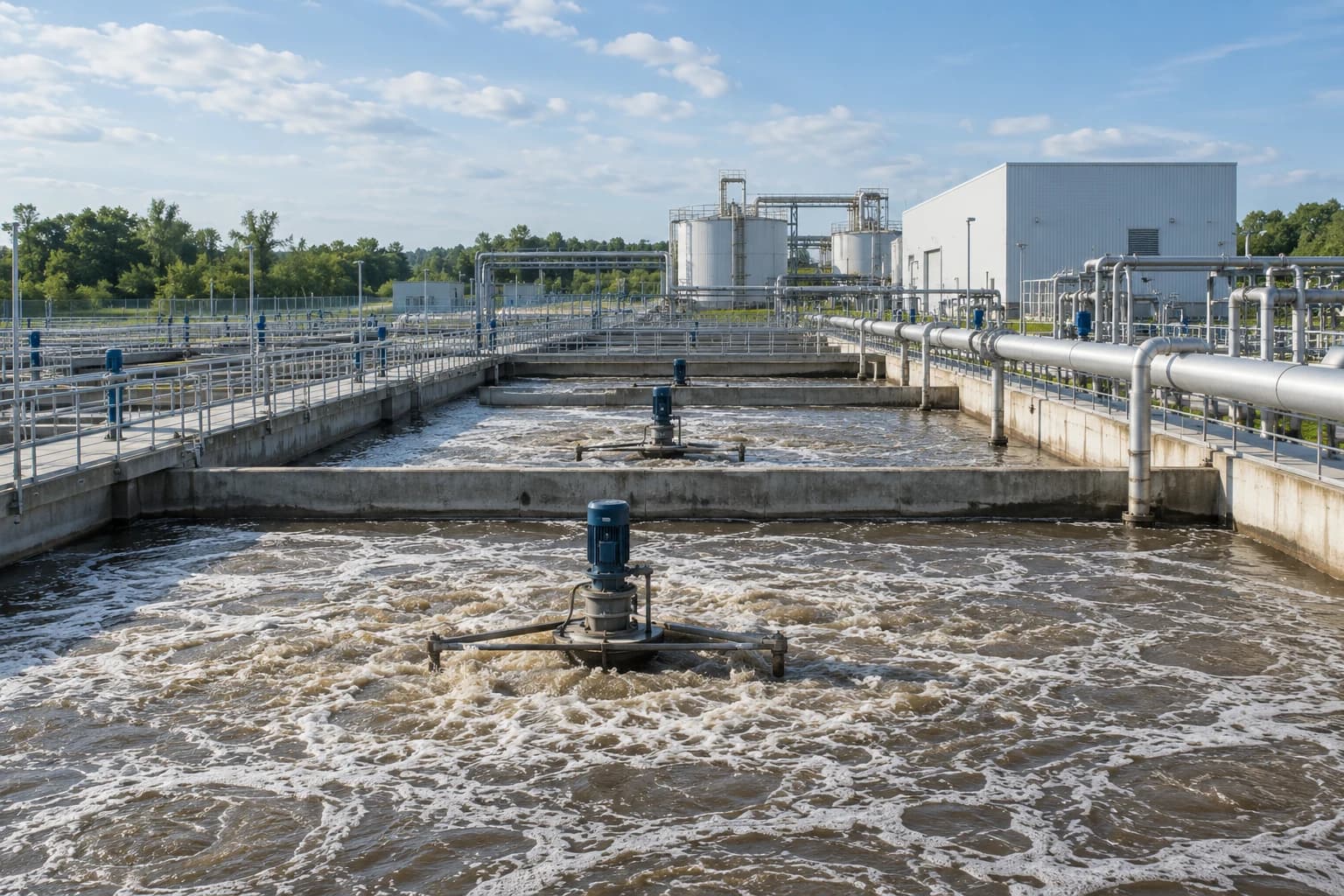
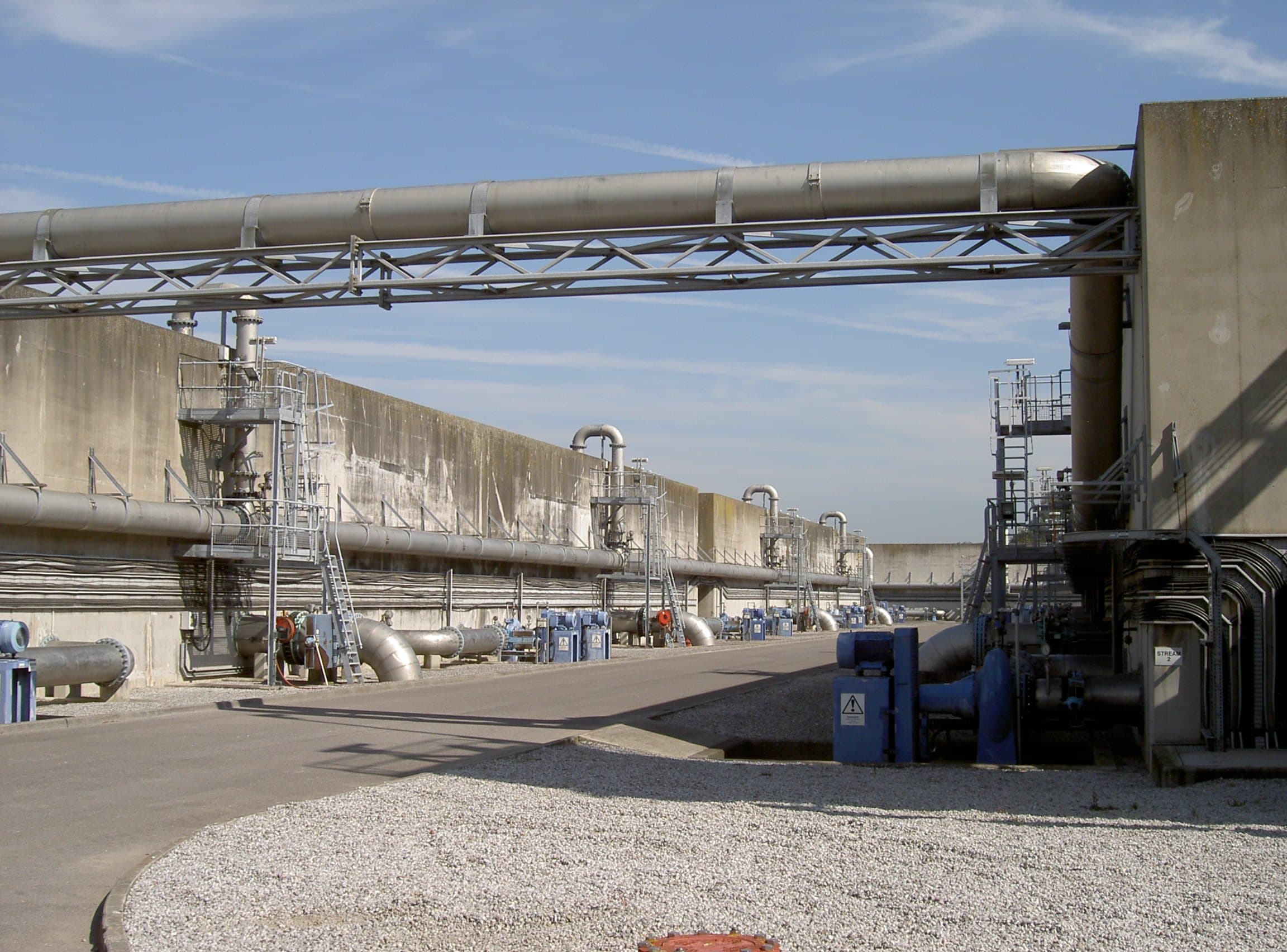
Rectangular industrial wastewater aeration basins with operating aerators, walkways and process pipework

In short

What determines the treatment process for wastewater?

The treatment process is selected from factors such as wastewater flow, organic load, suspended solids, pH, oils, dissolved contaminants, variability and the required final water quality. Site constraints and reuse or discharge objectives also influence whether physical, chemical, biological, membrane or recovery stages are combined.

The challenge

Different wastewater, different pathways

The source of the wastewater is the first thing that separates one treatment pathway from another.

  • 01

    Industrial effluent

    Process wastewater whose composition follows the manufacturing activity — treated in an ETP.

  • 02

    Domestic sewage

    Wastewater from toilets, kitchens and washrooms — treated in an STP.

  • 03

    Treated-water reuse

    Further treatment where treated water can replace freshwater on site.

  • 04

    Discharge limits

    Where liquid discharge must be minimised or eliminated, recovery stages follow.

Engineering approach

A typical treatment pathway

Every pathway is configured per site — never a fixed product.

  1. 01

    Pre-treatment

    Screening, equalisation

  2. 02

    Primary

    Physico-chemical treatment

  3. 03

    Biological

    Aerobic or anaerobic

  4. 04

    Tertiary

    Filtration, membranes

  5. 05

    Outcome

    Discharge or reuse

Compared

ETP and STP compared

Effluent treatment plants and sewage treatment plants solve different problems. Many industrial sites need both.

AspectEffluent Treatment Plant (ETP)Sewage Treatment Plant (STP)
TreatsIndustrial and process wastewaterDomestic and similar sewage
CompositionVaries with raw materials, chemicals and processesRelatively consistent organic wastewater
Typical stagesPhysico-chemical, biological, membrane and recovery stages as requiredScreening, biological treatment, solids separation, polishing
Main design driversEffluent analysis, variability and the treatment objectiveOccupancy, flow variation, site and treated-water use
Typical settingsManufacturing and process industriesResidential, commercial, institutional and industrial facilities

A general comparison. Whether streams can be combined, and how each is treated, depends on site-specific data.

Technologies

Technologies that may be evaluated

A named technology is one part of a treatment train. Which of these suits a particular site is confirmed through water analysis, process design and the required outcome.

All Technologies
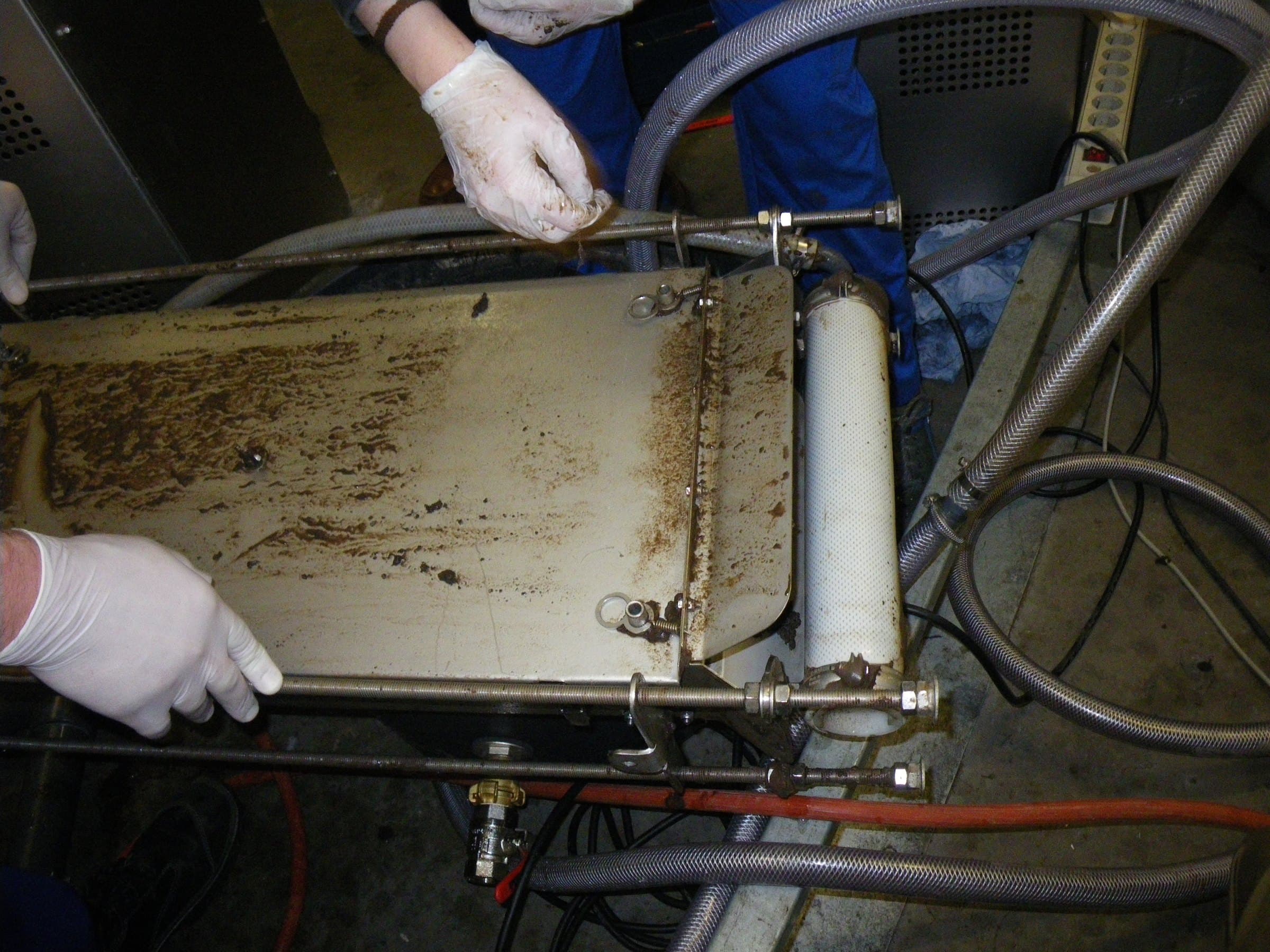
Technician inspecting an MBR membrane cassette and its scouring-aeration assembly
MBR

Wastewater Treatment

Membrane Bioreactor

Biological treatment combined with membrane separation for applications that require a highly clarified treated-water stream.

Process family · Biological + membrane

Typical use · Advanced biological treatment, high treated-water quality or recycling

Explore

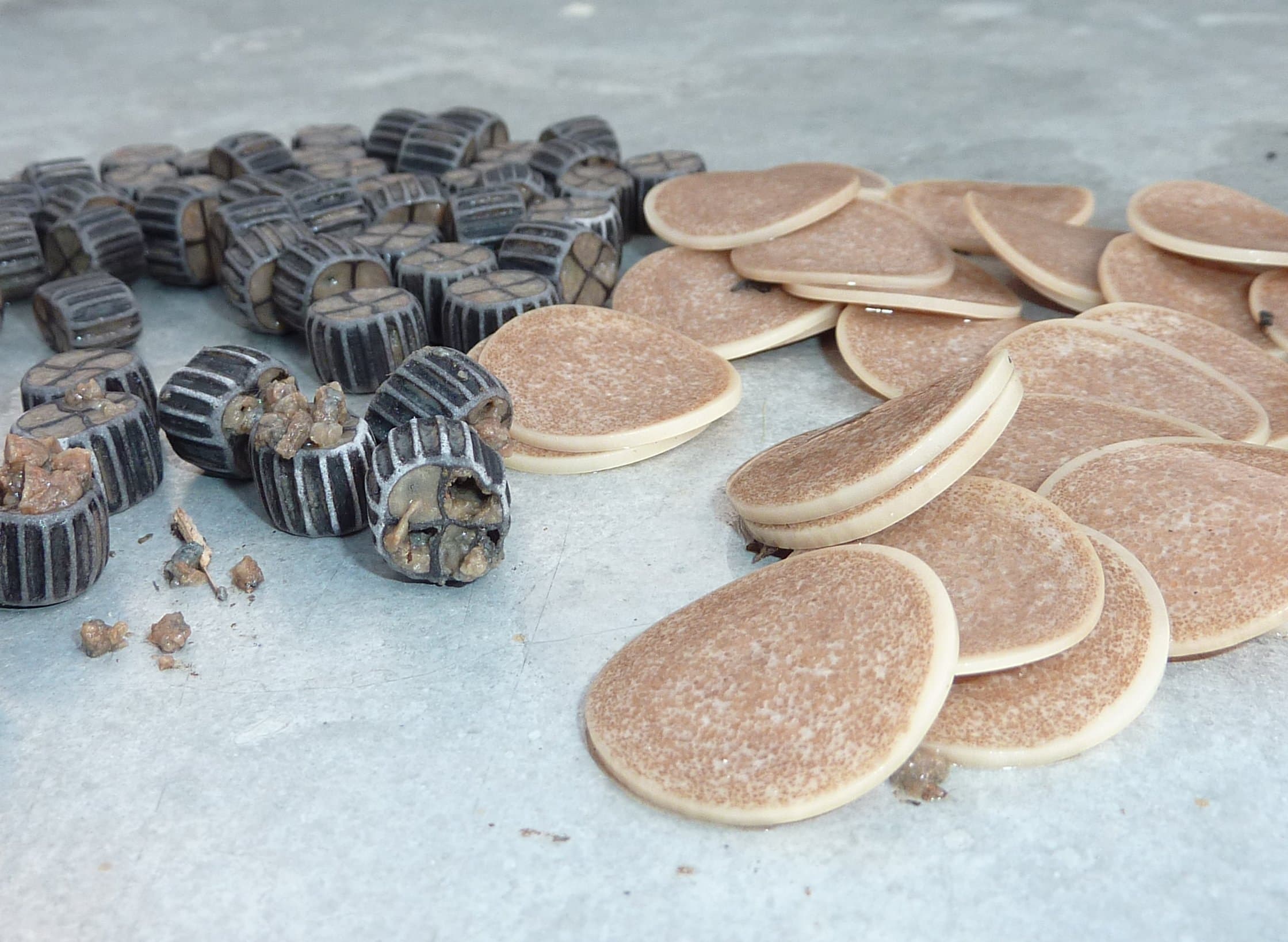
Colonised plastic biofilm carriers used in moving-bed biological treatment
MBBR

Wastewater Treatment

Moving Bed Biofilm Reactor

Attached-growth biological treatment using carrier media that provide surface area for microorganisms while moving within the reactor.

Process family · Attached growth

Typical use · Sewage and industrial wastewater needing robust treatment and operational flexibility

Explore

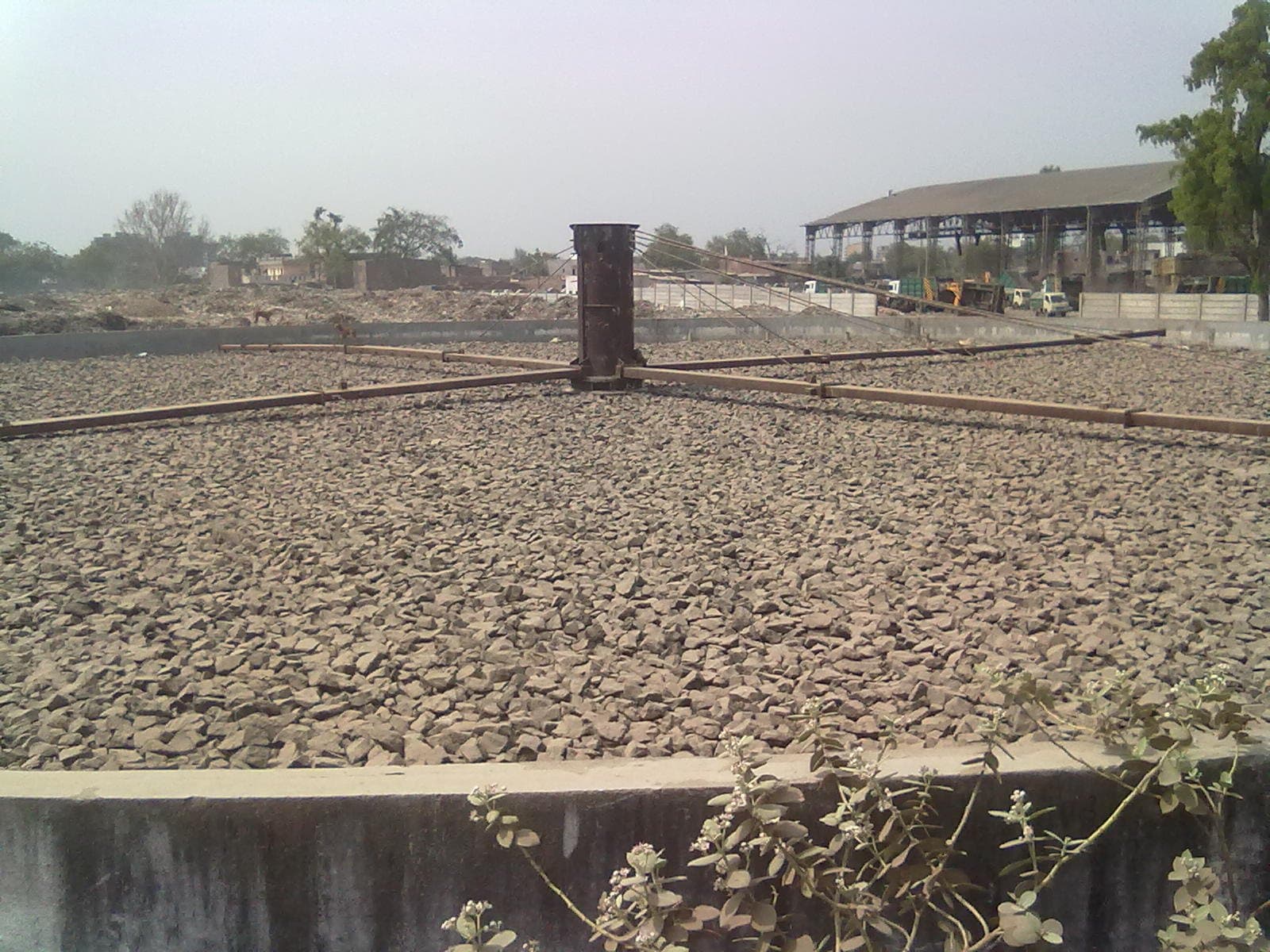
Stationary rock media in a fixed-film wastewater treatment bed
SAFF

Wastewater Treatment

Submerged Aerobic Fixed Film

An aerobic attached-growth process in which biomass develops on submerged fixed media.

Process family · Attached growth

Typical use · Compact sewage and wastewater systems suited to a fixed-media process

Explore

Sequencing batch reactor basins and process pipework at a wastewater plant
SBR

Wastewater Treatment

Sequencing Batch Reactor

A biological process in which treatment stages occur sequentially within the same reactor through controlled operating cycles.

Process family · Activated sludge / batch

Typical use · Variable flows where batch-cycle operation offers process flexibility

Explore

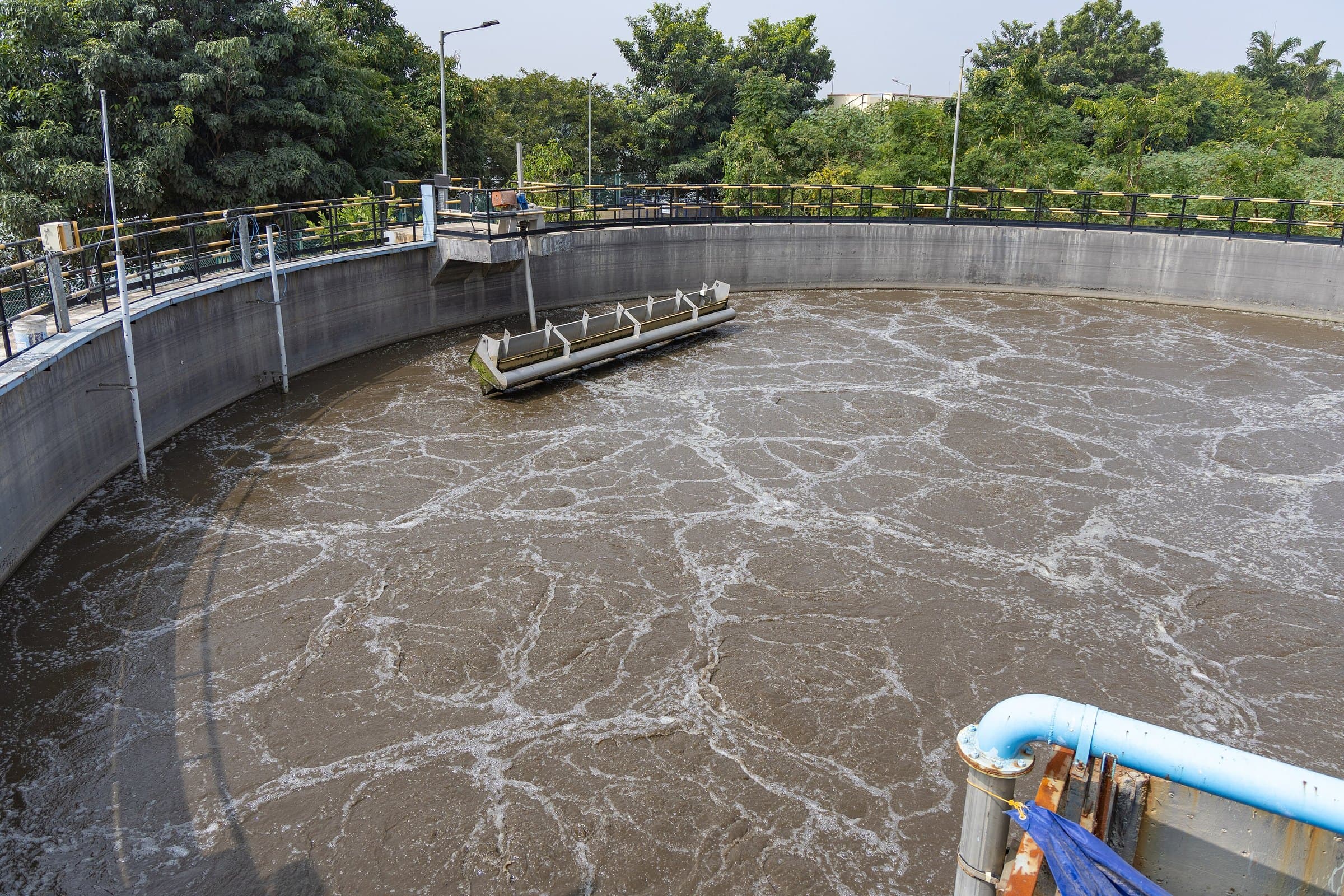
Aeration basin with activated sludge under aeration
EA

Wastewater Treatment

Extended Aeration

An activated-sludge process using extended aeration periods for stable biological treatment.

Process family · Activated sludge / batch

Typical use · Sewage treatment plants needing a relatively robust biological process

Explore

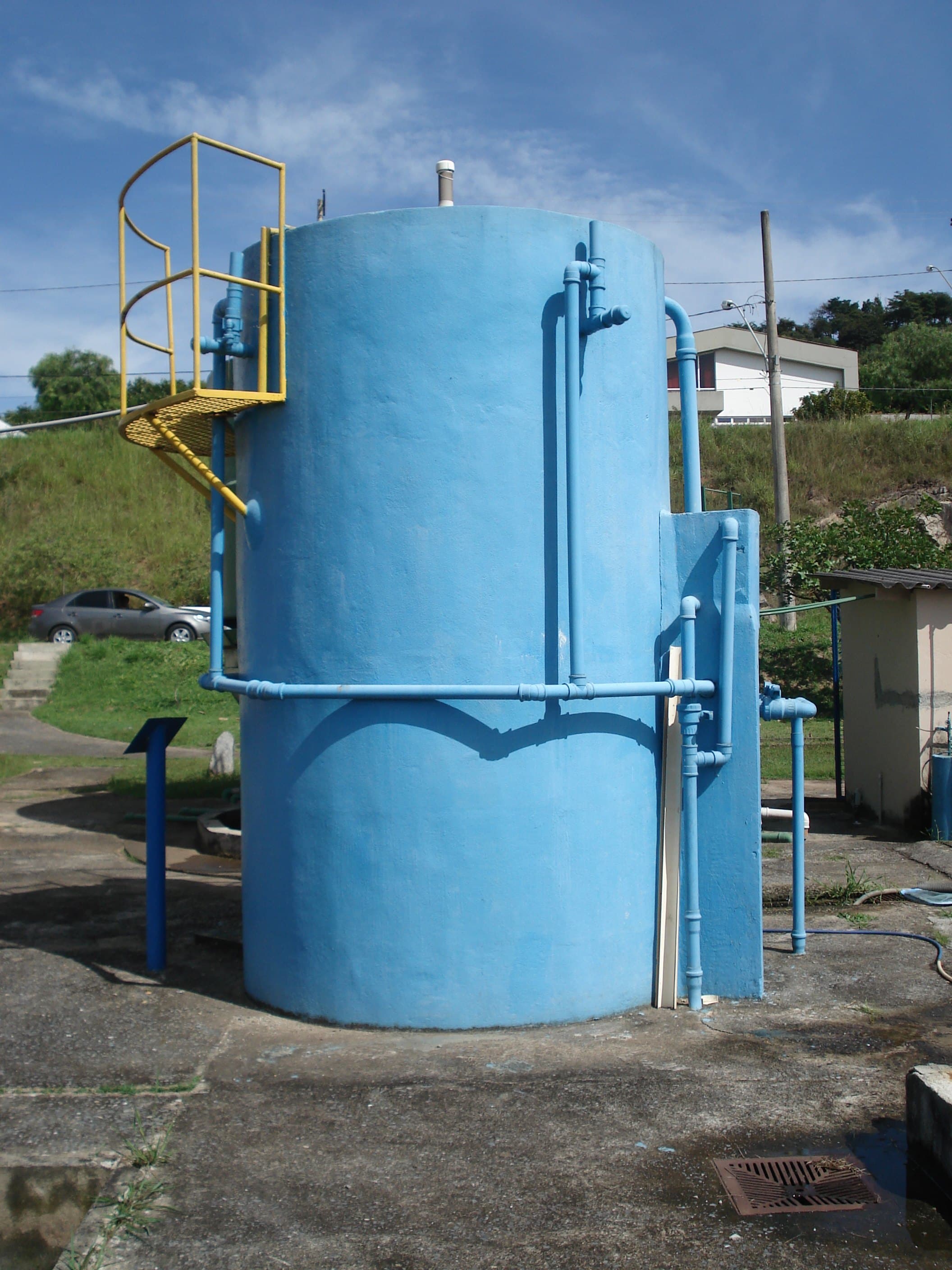
Vertical pilot-scale UASB reactor with process piping at a wastewater treatment site
UASB

Wastewater Treatment

Upflow Anaerobic Sludge Blanket

An anaerobic treatment process where wastewater flows upward through a biologically active sludge blanket.

Process family · Anaerobic

Typical use · Higher-strength organic wastewater where anaerobic treatment is technically appropriate

Explore

Industries

Industries where this applies

Common questions

What buyers ask about wastewater treatment.

Does an industrial site need both an ETP and an STP?

Often. Process effluent from manufacturing is usually treated in an ETP, while sewage from toilets, canteens and washrooms is treated in an STP. Combining the streams is sometimes possible, but only when the effluent characteristics and the treatment objective allow it.

What is biological wastewater treatment?

Biological treatment uses microorganisms to break down organic matter in wastewater. Aerobic processes — such as MBBR, SBR, MBR, SAFF and extended aeration — supply oxygen to the microorganisms; anaerobic processes such as UASB work without oxygen and are typically considered for higher-strength organic effluent.

Treatment technologies

What is physico-chemical treatment?

Physico-chemical treatment removes contaminants through physical and chemical processes rather than microorganisms — for example pH correction, coagulation and flocculation to bind fine particles, and settling or filtration to separate them. In industrial effluent treatment it is often used before or after biological stages.

Is treated wastewater the same as recycled water?

Not necessarily. Treated wastewater meets the quality required for discharge or further treatment; recycled water has been treated further, to the quality a particular reuse requires.

Wastewater recycling

Wastewater Treatment

Not sure which pathway your wastewater needs?

Share what you know about the wastewater, the site and the outcome you need. Our team can help identify the right starting point.Don't have complete technical data yet? Share what you know — our team can help identify what is needed for the next step.