Activated sludge / batch
Extended Aeration
An activated-sludge process using extended aeration periods for stable biological treatment.
Overview
What is extended aeration?
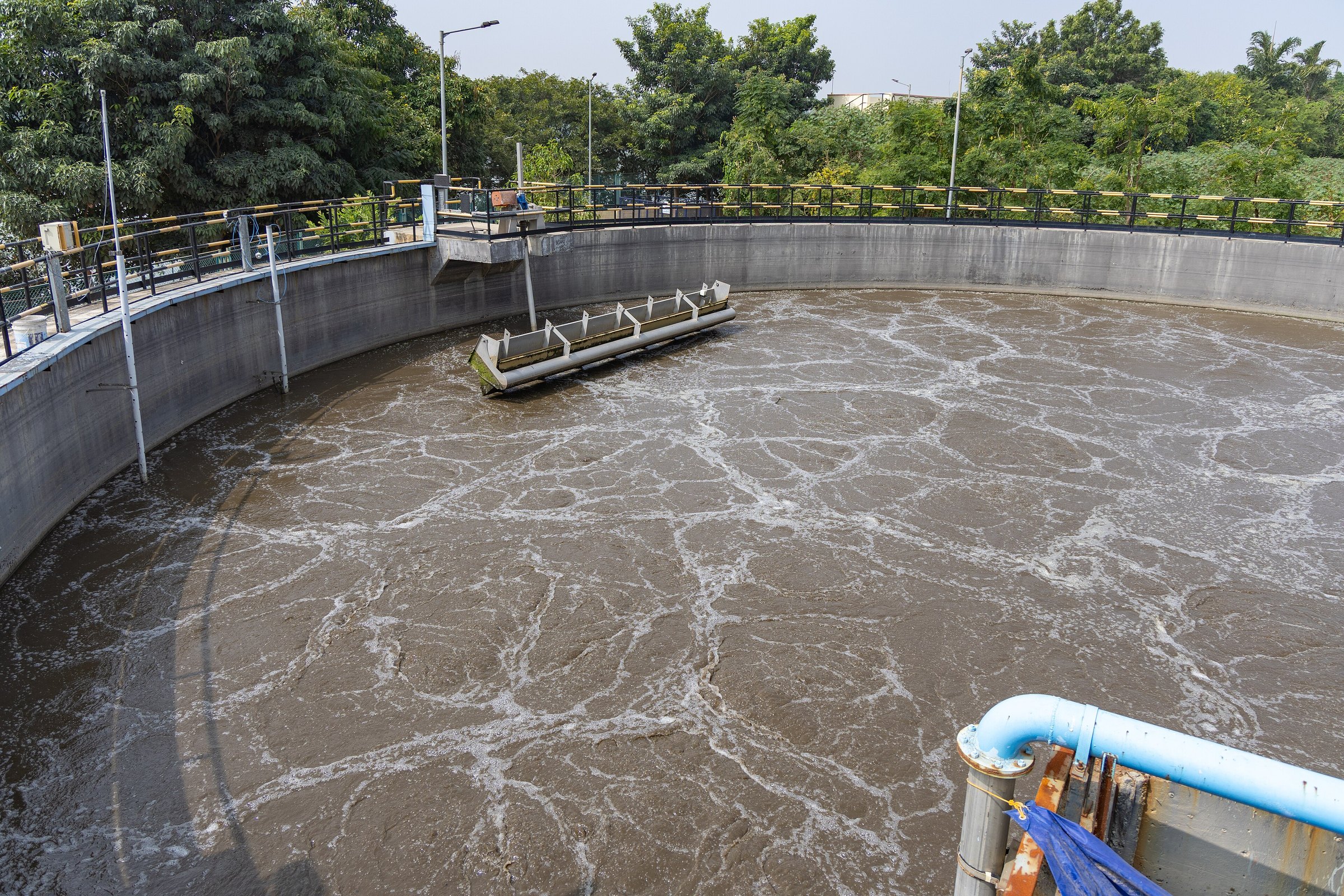
Extended aeration is a form of the activated-sludge process in which wastewater is aerated for a longer period at a lower organic loading. The longer contact time gives microorganisms more time to break down organic matter and stabilise the sludge they produce. Extended aeration is commonly considered for sewage treatment where process robustness is a priority and adequate space is available.
Extended aeration is a form of the activated sludge process in which wastewater is aerated for a longer period at a lower organic loading. Microorganisms have more time to break down organic matter and to stabilise the sludge they produce.
The longer aeration period can support stable treatment under variable conditions when loading, oxygen transfer and sludge management are properly controlled.
How the process works
The EA process flow.
A typical sequence. Stages are configured for each plant's wastewater and treatment objectives.
01
Screening & grit removal
Coarse solids and grit are removed to protect downstream equipment.
02
Equalisation
A balancing tank evens out peaks in flow and load.
03
Aeration tank
Wastewater is aerated for an extended period with activated sludge.
04
Secondary clarifier
Sludge settles out; part of it returns to the aeration tank.
05
Polishing
Filtration and disinfection prepare treated water for discharge or reuse.
Key characteristics
What sets EA apart.
Robust
Long aeration time gives tolerance to shock and variable loads.
Stabilised sludge
Excess sludge is well stabilised before handling.
Proven process
A widely used, well-understood form of activated sludge treatment.
Straightforward operation
Suits sites that value reliability over compactness.
Typical Applications
Where EA is typically considered
- Residential
- Communities
- Hospitals
- Railways
- Defence
- Educational institutions
Selection factors
When EA may be evaluated
- Reliability and simple operation are the priority.
- Loads are variable or subject to shocks.
- Adequate space is available for the plant.
Relevant solutions
Solutions EA can form part of.
A named technology is one part of a treatment train. Its role is confirmed through water analysis, process design and the required outcome.
Related technologies
Other technologies that may be evaluated.
Wastewater Treatment
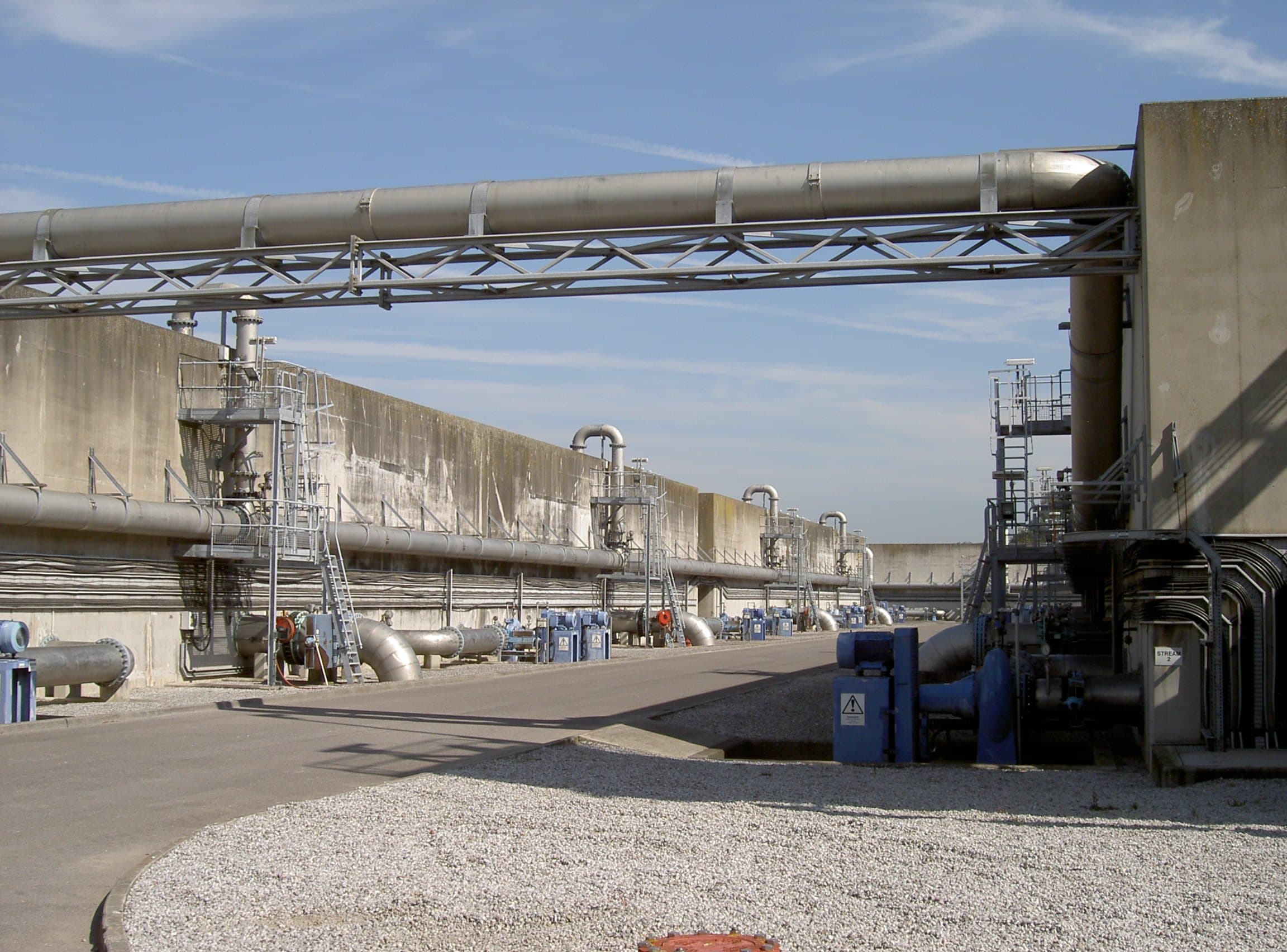
Sequencing Batch Reactor
A biological process in which treatment stages occur sequentially within the same reactor through controlled operating cycles.
Process family · Activated sludge / batch
Typical use · Variable flows where batch-cycle operation offers process flexibility
Explore

Wastewater Treatment
Moving Bed Biofilm Reactor
Attached-growth biological treatment using carrier media that provide surface area for microorganisms while moving within the reactor.
Process family · Attached growth
Typical use · Sewage and industrial wastewater needing robust treatment and operational flexibility
Explore
Wastewater Treatment
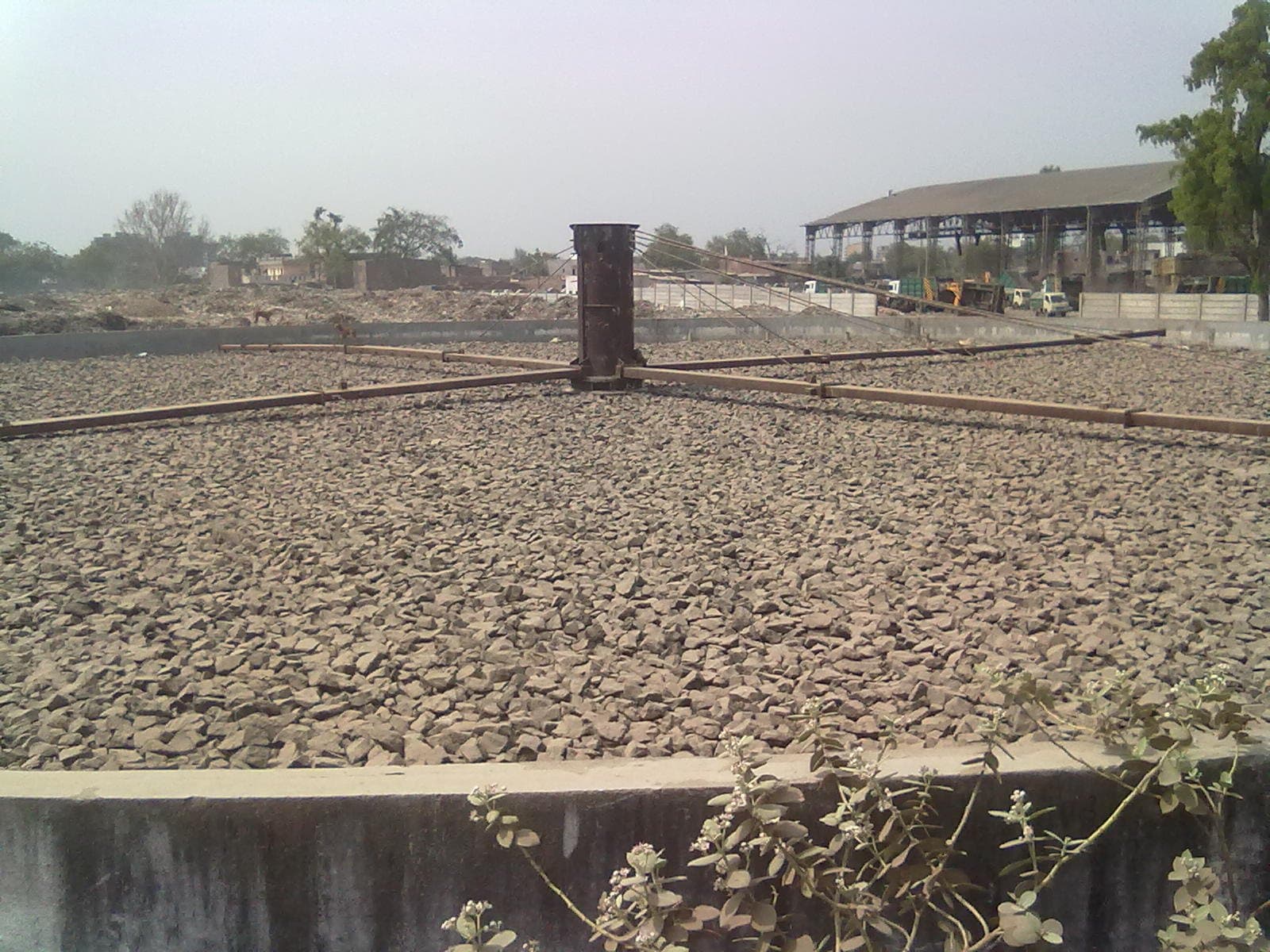
Submerged Aerobic Fixed Film
An aerobic attached-growth process in which biomass develops on submerged fixed media.
Process family · Attached growth
Typical use · Compact sewage and wastewater systems suited to a fixed-media process
Explore

Technology selection
Is EA right for your site?
Technology selection depends on the wastewater, the space available and the treated-water objective. Share what you know about your requirement and our engineering team can help compare the options.