Skip to content

Existing plants

Your plant may not need replacement. It may need the right intervention.

Existing water and wastewater plants can drift from their original performance as loads grow, production changes, equipment ages or reuse targets rise.

Unisavour Industries Limited reviews existing plants to understand why they are underperforming, then defines and delivers the improvements worth making — from operational changes to rehabilitation, retrofitting, automation and modernisation.

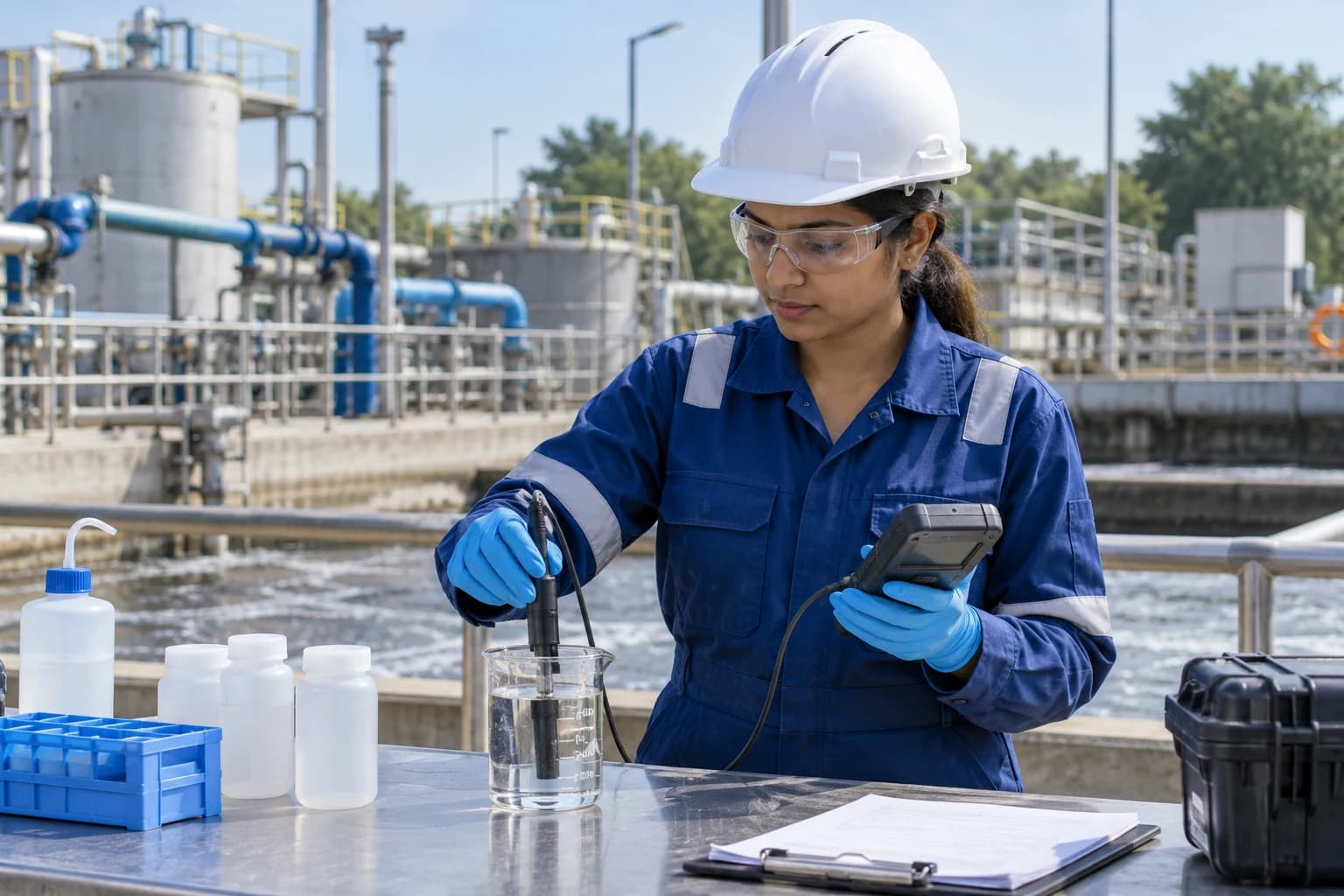
Environmental specialist in protective equipment measuring a water sample with a field water-quality meter

In short

Why do existing treatment plants underperform?

Existing ETPs and STPs can underperform for many reasons: loads higher than the original design, changes in wastewater characteristics, ageing or failed equipment, unstable biological treatment, inadequate sludge management, manual operation, or a treated-water requirement that has become stricter. The cause is rarely clear from a single symptom, which is why the plant and its data should be evaluated before any upgrade decision.

The challenge

Signs a plant needs attention

Each of these has several possible causes. They are questions to investigate, not diagnoses.

  • 01

    Treated water off-target

    Treated-water quality no longer meets the requirement.

  • 02

    Higher loads

    Flow or organic load now exceeds the original design basis.

  • 03

    Unstable operation

    Frequent upsets, sludge problems or inconsistent performance.

  • 04

    Ageing equipment

    Breakdowns, worn components or obsolete controls.

  • 05

    Manual dependency

    Performance depends heavily on manual intervention.

  • 06

    New reuse targets

    More treated water now needs to be reused, at a higher quality.

  • 07

    Changed wastewater

    New products or processes have changed what reaches the plant.

Engineering approach

From audit to validated improvement

Diagnose before deciding. The audit sets the scope of everything that follows.

  1. 01

    Audit

    Review the design basis, records, equipment, operation and treated-water data.

  2. 02

    Diagnose

    Identify the likely causes from the evidence, including any sampling needed.

  3. 03

    Define improvements

    Set out practical options, from operational changes to new stages.

  4. 04

    Retrofit / modernise

    Rehabilitation, retrofitting, automation and equipment upgrades.

  5. 05

    Validate

    Confirm performance against the treated-water objective.

  6. 06

    Support

    Operator training, O&M and servicing to keep performance stable.

Common questions

What buyers ask about existing plants.

Can every existing plant be upgraded?

Not always. Some plants can be improved through operational changes or targeted retrofits; others may need significant rebuilding or replacement of specific stages. The audit is what establishes which is realistic for the plant and its objective.

What happens during a plant review?

A plant review typically examines the design basis and documentation, current flows and loads, available inlet and outlet analysis, equipment condition, operating practices and records. Where data is missing, sampling may be recommended. The findings are used to identify likely causes and define improvement options.

What does retrofitting a treatment plant involve?

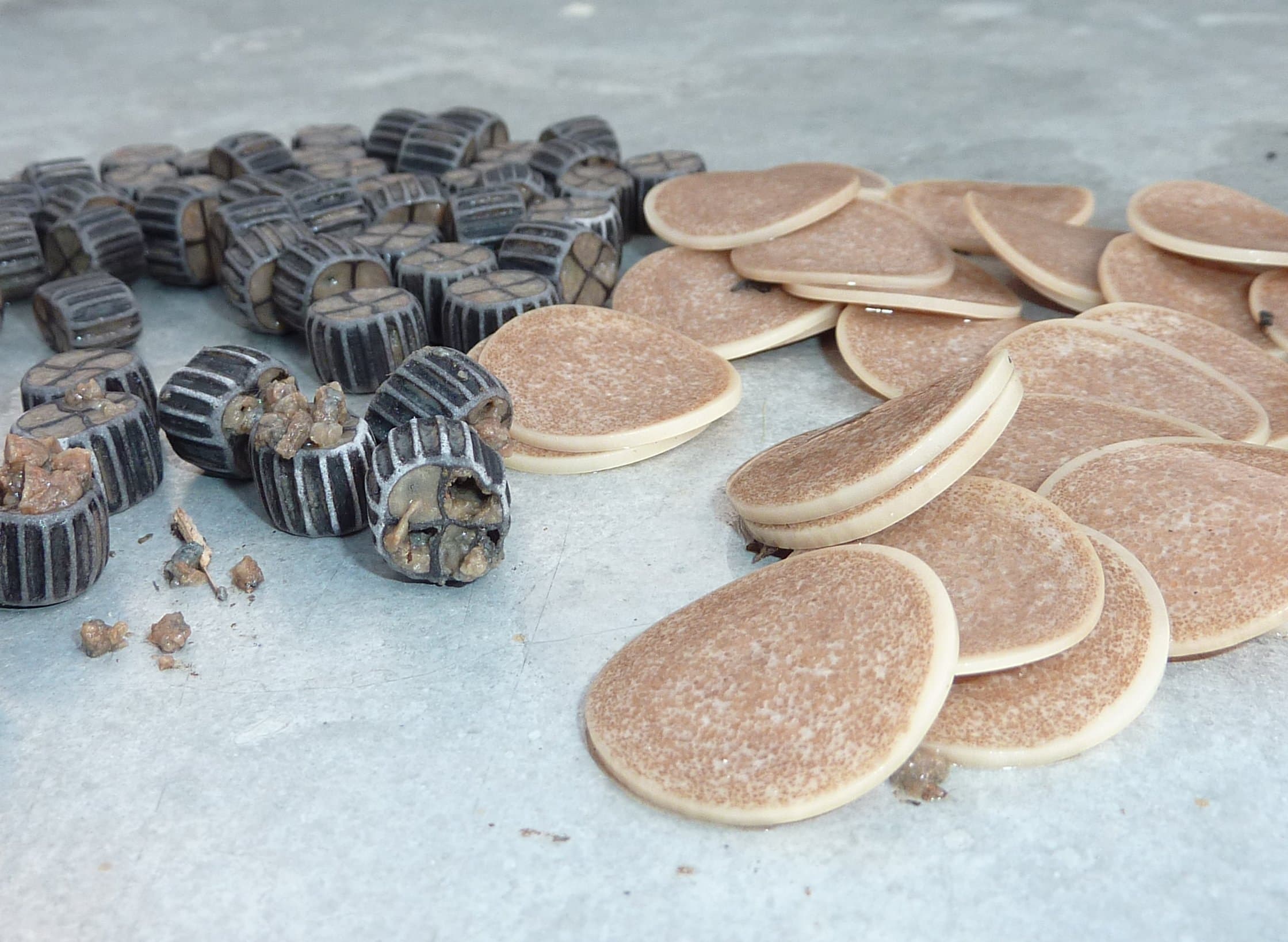
Retrofitting modifies an existing plant to improve its performance or capacity — for example by adding carrier media to biological tanks, upgrading aeration, adding tertiary filtration or membranes, replacing equipment, or adding automation and instrumentation. The appropriate measures follow from the diagnosis.

What should I share to request a plant review?

Whatever is available. The most useful starting information is:

  1. 1Plant type (ETP, STP or water treatment) and design capacity.
  2. 2The original design basis or drawings, if available.
  3. 3Current flow and any recent inlet and outlet analysis.
  4. 4The problems being observed, and since when.
  5. 5Changes since commissioning — production, occupancy or reuse targets.
  6. 6The treated-water objective the plant now needs to meet.

Existing plants

Request a plant review.

Share the plant type, capacity, the issues you are seeing and any recent analysis or records. Our team can help define what to investigate first.Don't have complete technical data yet? Share what you know — our team can help identify what is needed for the next step.