Attached growth
MBBR — Moving Bed Biofilm Reactor
Attached-growth biological treatment using carrier media that provide surface area for microorganisms while moving within the reactor.
Overview
What is MBBR?
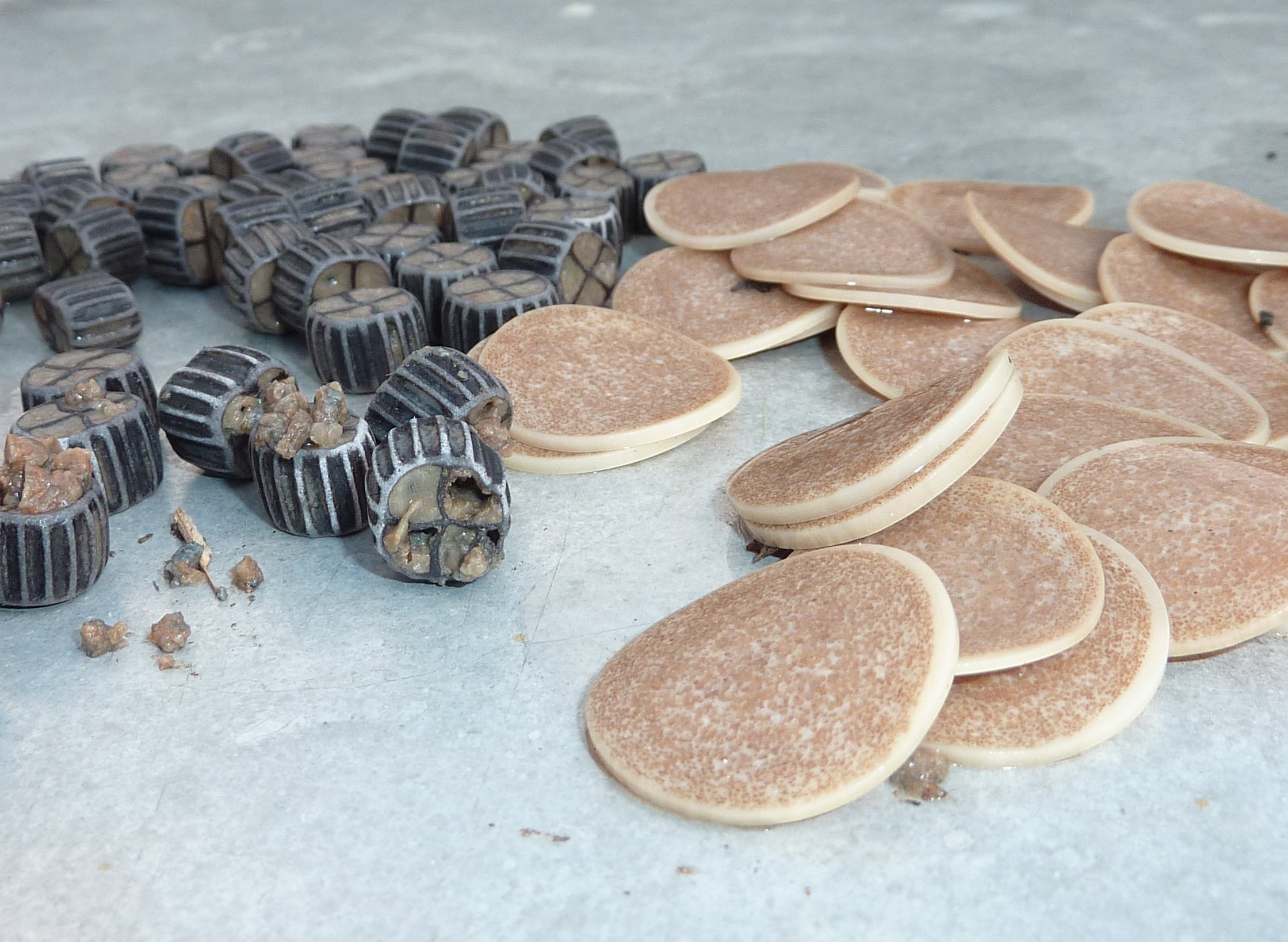
A Moving Bed Biofilm Reactor (MBBR) is an attached-growth biological wastewater-treatment process. Plastic carrier media move within an aerated reactor and provide surface area for biofilm growth. MBBR can form part of an STP or industrial wastewater treatment train depending on wastewater characteristics, treatment objectives and system design.
In a moving bed biofilm reactor, small plastic carriers are kept in continuous motion inside an aerated tank. A biofilm of microorganisms grows on the protected surfaces of each carrier and degrades organic matter as wastewater flows through.
Because much of the biomass is retained on the media, the process can support space-efficient designs and accommodate changing loads when the wider treatment train is correctly designed and operated.
How the process works
The MBBR process flow.
A typical sequence. Stages are configured for each plant's wastewater and treatment objectives.
01
Screening & equalisation
Incoming flow is screened and balanced to smooth out variations in volume and strength.
02
MBBR reactor
Aeration keeps carrier media moving so biofilm stays in contact with the wastewater.
03
Media retention
Sieves at the reactor outlet keep the carriers inside the tank.
04
Clarification
Biomass that sloughs off the media is separated by settling.
05
Polishing
Filtration and disinfection prepare treated water for discharge or reuse.
Key characteristics
What sets MBBR apart.
Space-efficient
Carrier media provide a large biofilm area within a compact tank.
Load-tolerant
Attached biofilm copes well with fluctuations in flow and organic load.
No sludge recycle
Biomass is retained on the media, simplifying operation.
Easy to upgrade
Existing tanks can often be retrofitted by adding carrier media.
Typical Applications
Where MBBR is typically considered
- Communities
- Commercial
- Educational institutions
- Hospitality
- Food & Beverage
- Automotive
Selection factors
When MBBR may be evaluated
- Flows or loads vary through the day or season.
- Footprint is restricted.
- An existing biological plant needs more capacity.
- Simple, robust operation is a priority.
Relevant solutions
Solutions MBBR can form part of.
A named technology is one part of a treatment train. Its role is confirmed through water analysis, process design and the required outcome.
Related technologies
Other technologies that may be evaluated.
Wastewater Treatment
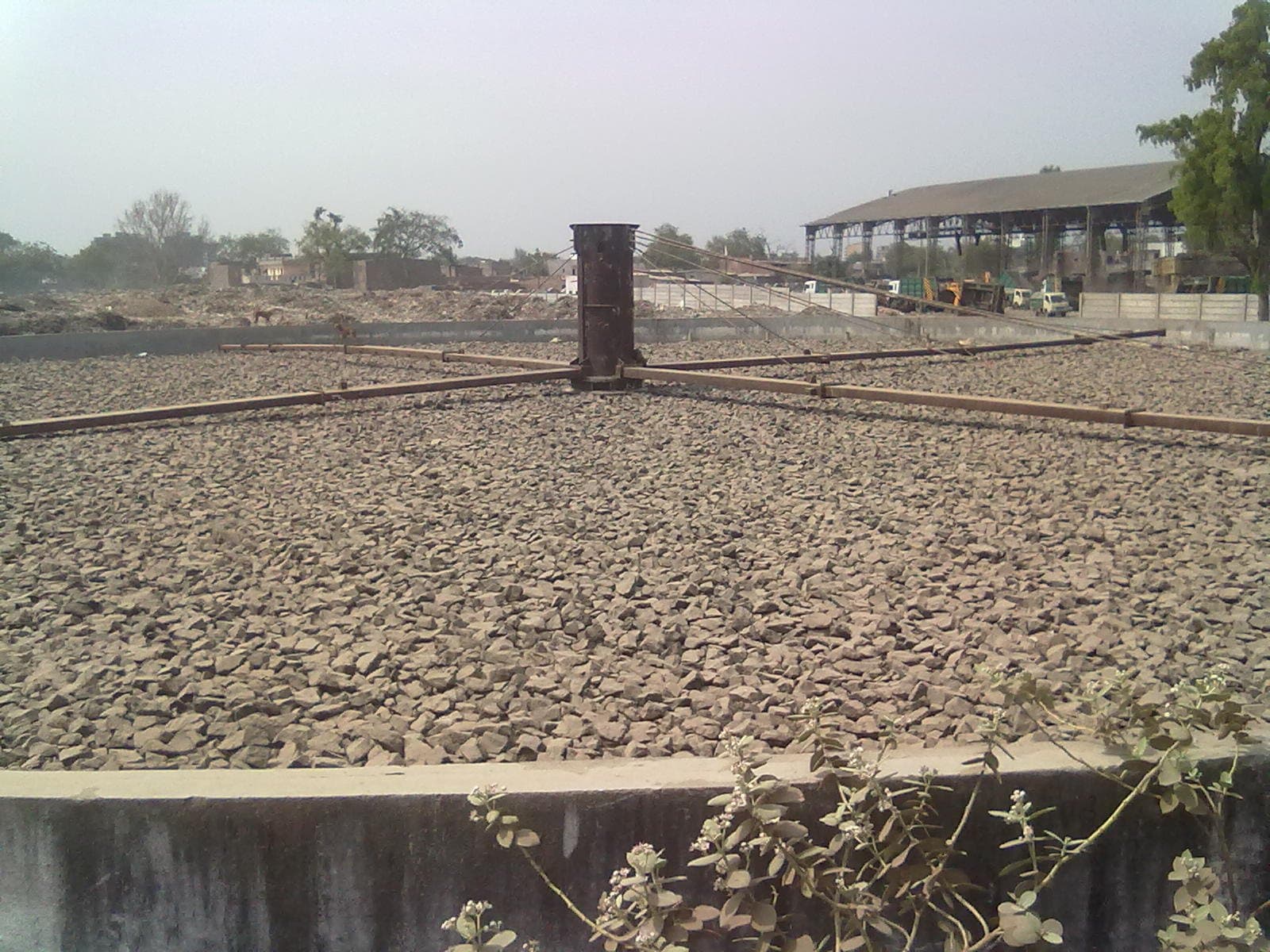
Submerged Aerobic Fixed Film
An aerobic attached-growth process in which biomass develops on submerged fixed media.
Process family · Attached growth
Typical use · Compact sewage and wastewater systems suited to a fixed-media process
Explore
Wastewater Treatment
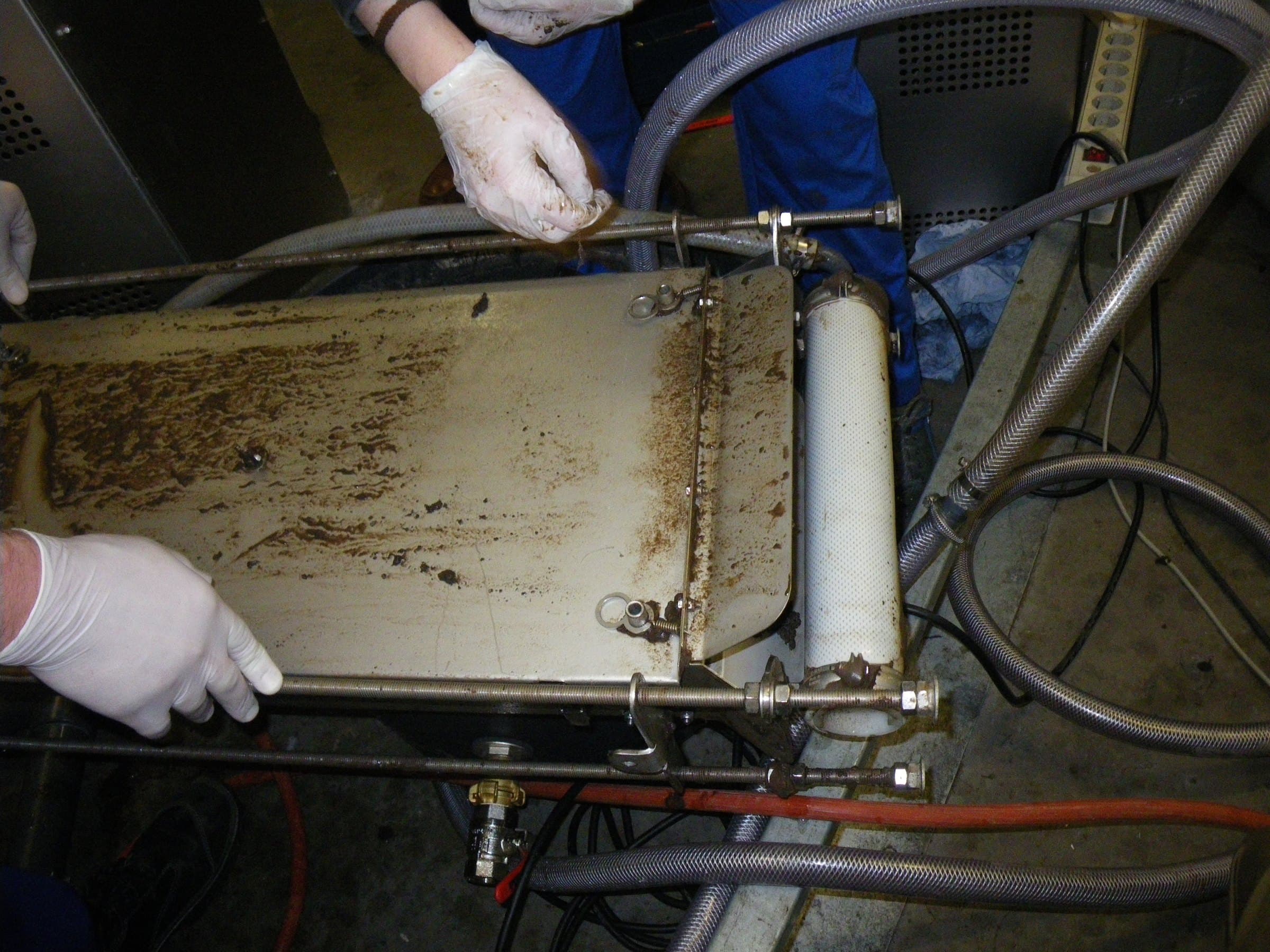
Membrane Bioreactor
Biological treatment combined with membrane separation for applications that require a highly clarified treated-water stream.
Process family · Biological + membrane
Typical use · Advanced biological treatment, high treated-water quality or recycling
Explore
Wastewater Treatment
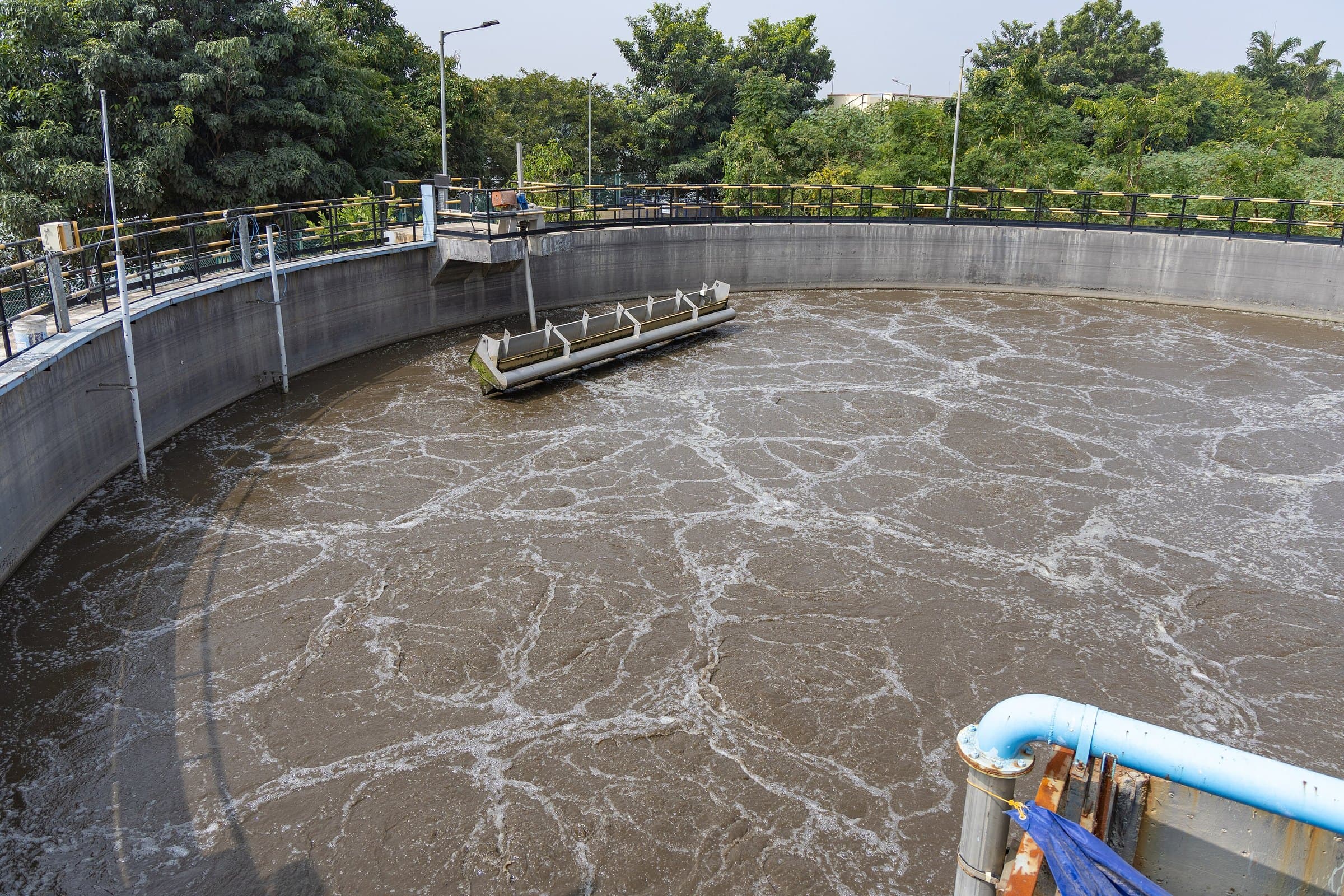
Extended Aeration
An activated-sludge process using extended aeration periods for stable biological treatment.
Process family · Activated sludge / batch
Typical use · Sewage treatment plants needing a relatively robust biological process
Explore

Technology selection
Is MBBR right for your site?
Technology selection depends on the wastewater, the space available and the treated-water objective. Share what you know about your requirement and our engineering team can help compare the options.