Activated sludge / batch
SBR — Sequencing Batch Reactor
A biological process in which treatment stages occur sequentially within the same reactor through controlled operating cycles.
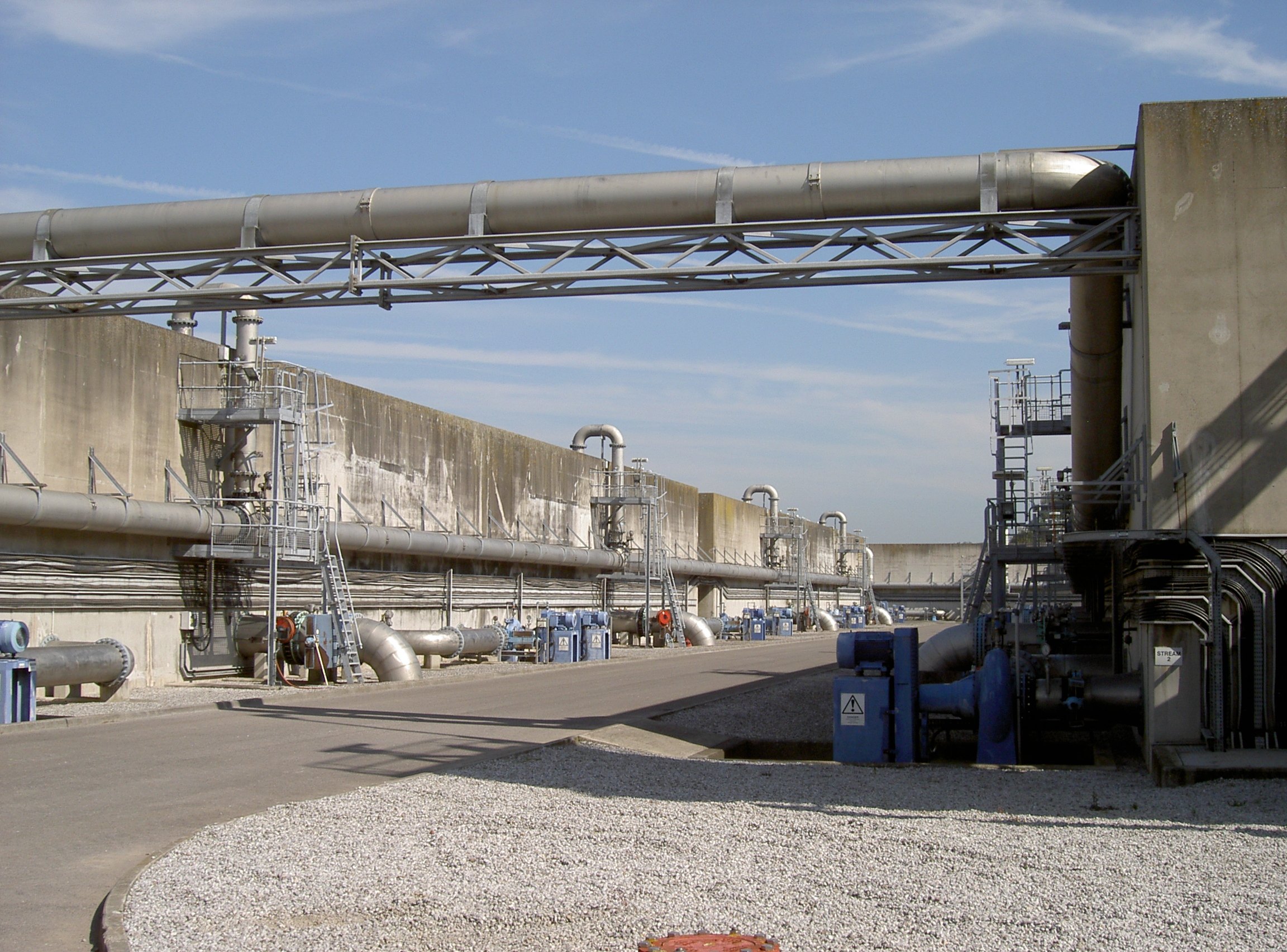
Overview
What is SBR?
A Sequencing Batch Reactor (SBR) is an activated-sludge wastewater-treatment process in which filling, biological reaction, settling and decanting take place in sequence within the same tank. Automatically controlled cycles replace the separate aeration tanks and clarifiers of a continuous plant. SBR is often evaluated for sewage and wastewater with variable or intermittent flows, depending on treatment objectives and site conditions.
A sequencing batch reactor performs the stages of activated sludge treatment — biological reaction and clarification — one after another in the same tank, rather than in separate tanks side by side.
Cycle timing is controlled automatically and can be adjusted as conditions change, giving the process considerable flexibility for variable flows and evolving treatment requirements.
How the process works
The SBR process flow.
A typical sequence. Stages are configured for each plant's wastewater and treatment objectives.
01
Fill
Wastewater enters the reactor, mixing with the biomass retained from the previous cycle.
02
React
Aeration and mixing allow microorganisms to break down organic matter.
03
Settle
Aeration stops and solids settle under quiescent conditions.
04
Decant
Clarified treated water is drawn off from the top of the tank.
05
Idle & sludge wasting
Excess sludge is removed and the tank is ready for the next cycle.
Key characteristics
What sets SBR apart.
Single-tank process
Reaction and clarification happen in one reactor.
Flexible cycles
Timings can be tuned to flow, load and treatment objectives.
Automated control
PLC-based sequencing runs each phase of the cycle.
Handles variation
Batch operation accommodates intermittent and variable flows.
Typical Applications
Where SBR is typically considered
- Communities
- Residential
- Educational institutions
- Railways
- Defence
- Hospitality
Selection factors
When SBR may be evaluated
- Flows are intermittent or vary significantly.
- Operational flexibility is important.
- Automated operation is preferred.
Relevant solutions
Solutions SBR can form part of.
A named technology is one part of a treatment train. Its role is confirmed through water analysis, process design and the required outcome.
Related technologies
Other technologies that may be evaluated.
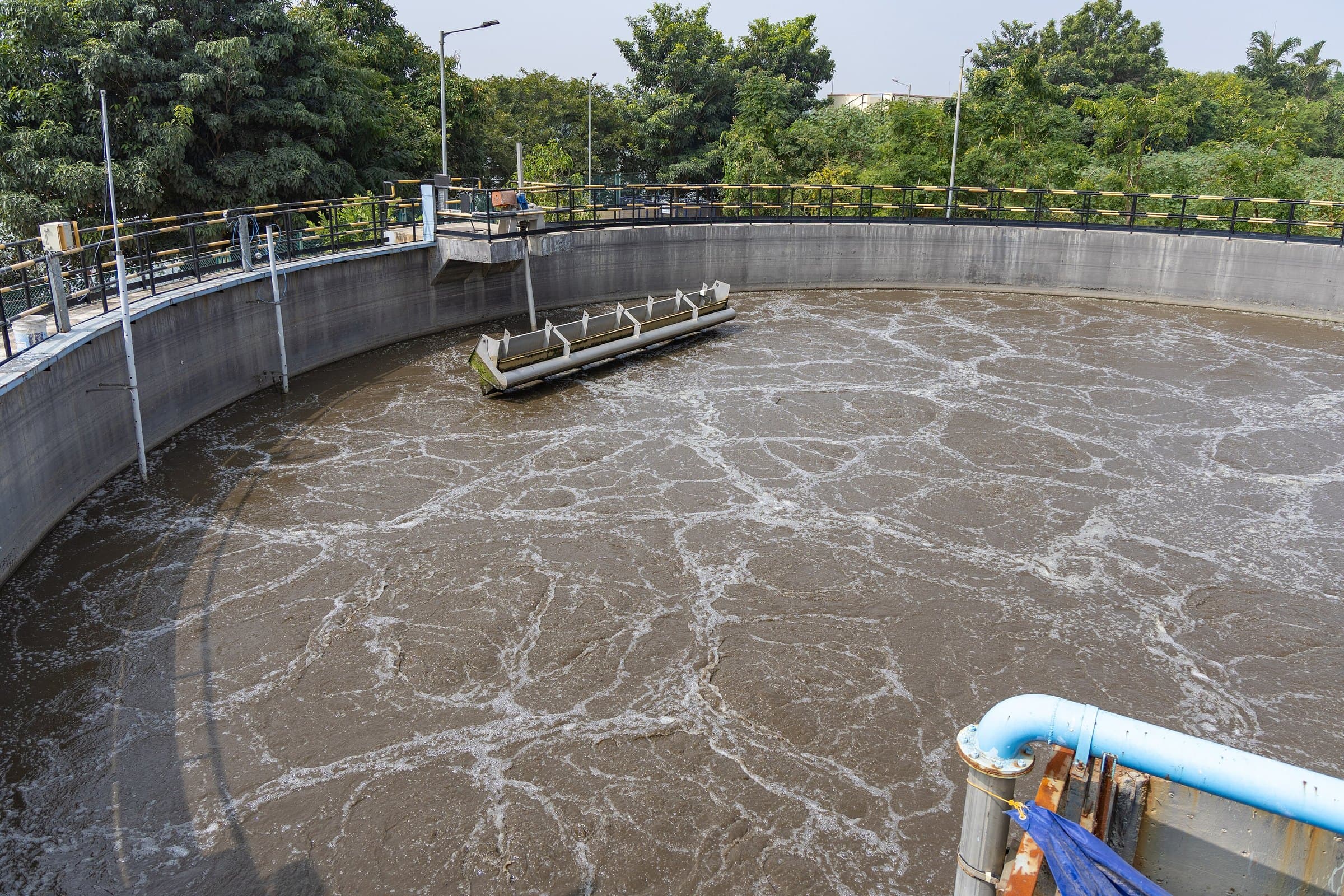
Wastewater Treatment
Extended Aeration
An activated-sludge process using extended aeration periods for stable biological treatment.
Process family · Activated sludge / batch
Typical use · Sewage treatment plants needing a relatively robust biological process
Explore

Wastewater Treatment
Moving Bed Biofilm Reactor
Attached-growth biological treatment using carrier media that provide surface area for microorganisms while moving within the reactor.
Process family · Attached growth
Typical use · Sewage and industrial wastewater needing robust treatment and operational flexibility
Explore
Wastewater Treatment
Membrane Bioreactor
Biological treatment combined with membrane separation for applications that require a highly clarified treated-water stream.
Process family · Biological + membrane
Typical use · Advanced biological treatment, high treated-water quality or recycling
Explore

Technology selection
Is SBR right for your site?
Technology selection depends on the wastewater, the space available and the treated-water objective. Share what you know about your requirement and our engineering team can help compare the options.