Anaerobic
UASB — Upflow Anaerobic Sludge Blanket
An anaerobic treatment process where wastewater flows upward through a biologically active sludge blanket.
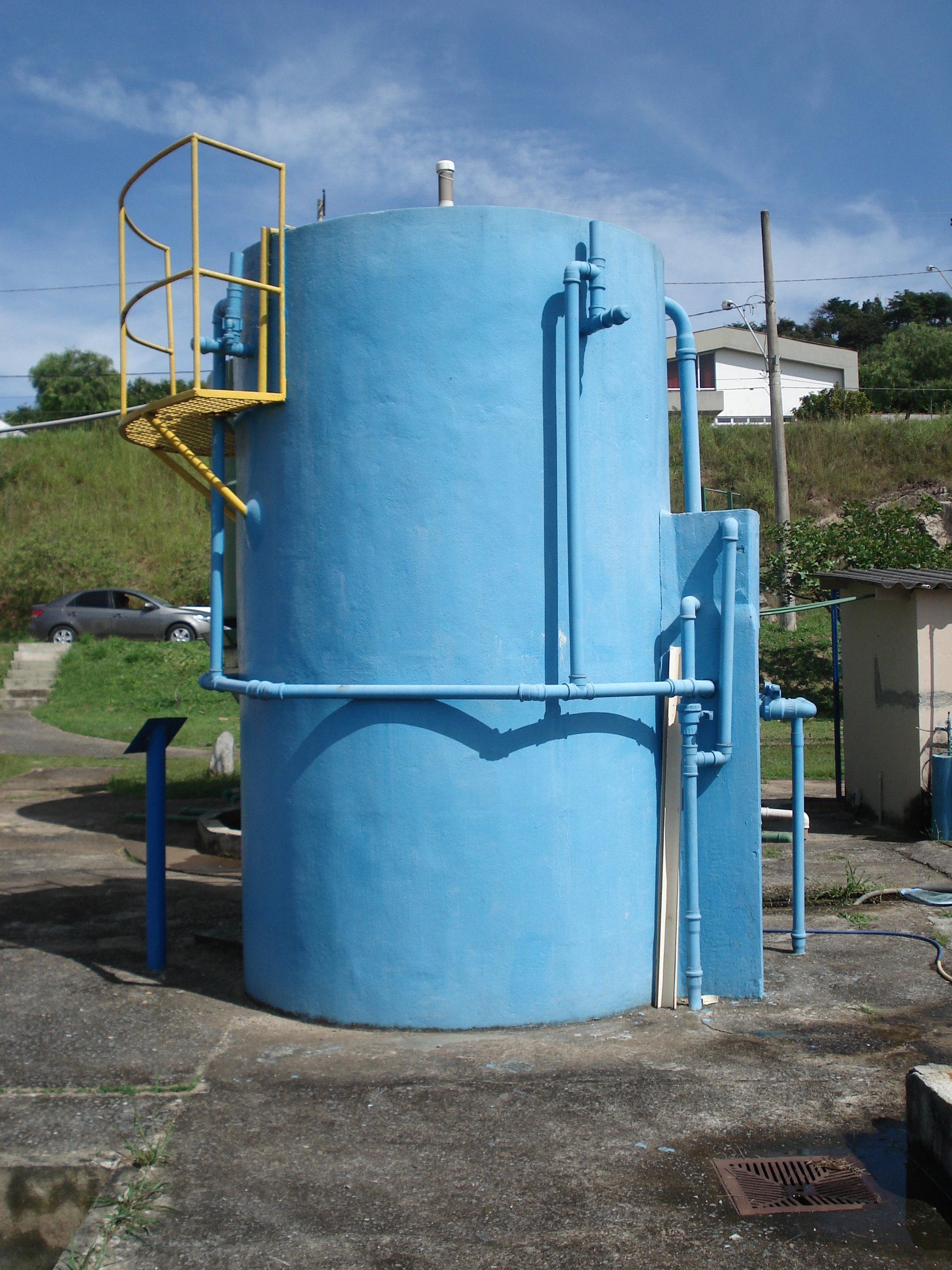
Overview
What is UASB?
An Upflow Anaerobic Sludge Blanket (UASB) reactor is an anaerobic wastewater-treatment process in which wastewater flows upward through a dense blanket of anaerobic sludge. Microorganisms in the blanket convert organic matter into biogas without aeration. UASB is typically evaluated for higher-strength organic industrial wastewater and is usually followed by aerobic polishing to meet the final treatment objective.
In a UASB reactor, wastewater is distributed across the base of the tank and flows upward through a dense blanket of anaerobic sludge. Microorganisms in the blanket convert organic matter into biogas without the need for aeration.
A separator at the top of the reactor divides gas, treated liquid and solids. UASB is typically followed by an aerobic polishing stage to meet final discharge or reuse requirements.
How the process works
The UASB process flow.
A typical sequence. Stages are configured for each plant's wastewater and treatment objectives.
01
Conditioning
Screening and equalisation prepare the effluent for anaerobic treatment.
02
Upflow distribution
Effluent is fed evenly across the base of the reactor.
03
Sludge blanket
Anaerobic biomass converts organic matter into biogas.
04
Three-phase separation
Gas, treated liquid and solids are separated at the top of the reactor.
05
Aerobic polishing
A downstream aerobic stage completes treatment before discharge or reuse.
Key characteristics
What sets UASB apart.
For high-strength effluent
Suited to effluent with a high organic load.
No reactor aeration
The anaerobic stage does not use aeration, though the wider treatment train still requires energy.
Biogas generation
Organic conversion produces biogas that may be collected where the plant is designed for recovery.
Low sludge yield
Anaerobic processes generate comparatively little excess sludge.
Typical Applications
Where UASB is typically considered
- Brewery & Distillery
- Sugar
- Food & Beverage
- Pharmaceutical
Selection factors
When UASB may be evaluated
- Effluent carries a high organic load.
- Reducing aeration energy is a priority.
- Biogas recovery is of interest.
Relevant solutions
Solutions UASB can form part of.
A named technology is one part of a treatment train. Its role is confirmed through water analysis, process design and the required outcome.
Related technologies
Other technologies that may be evaluated.
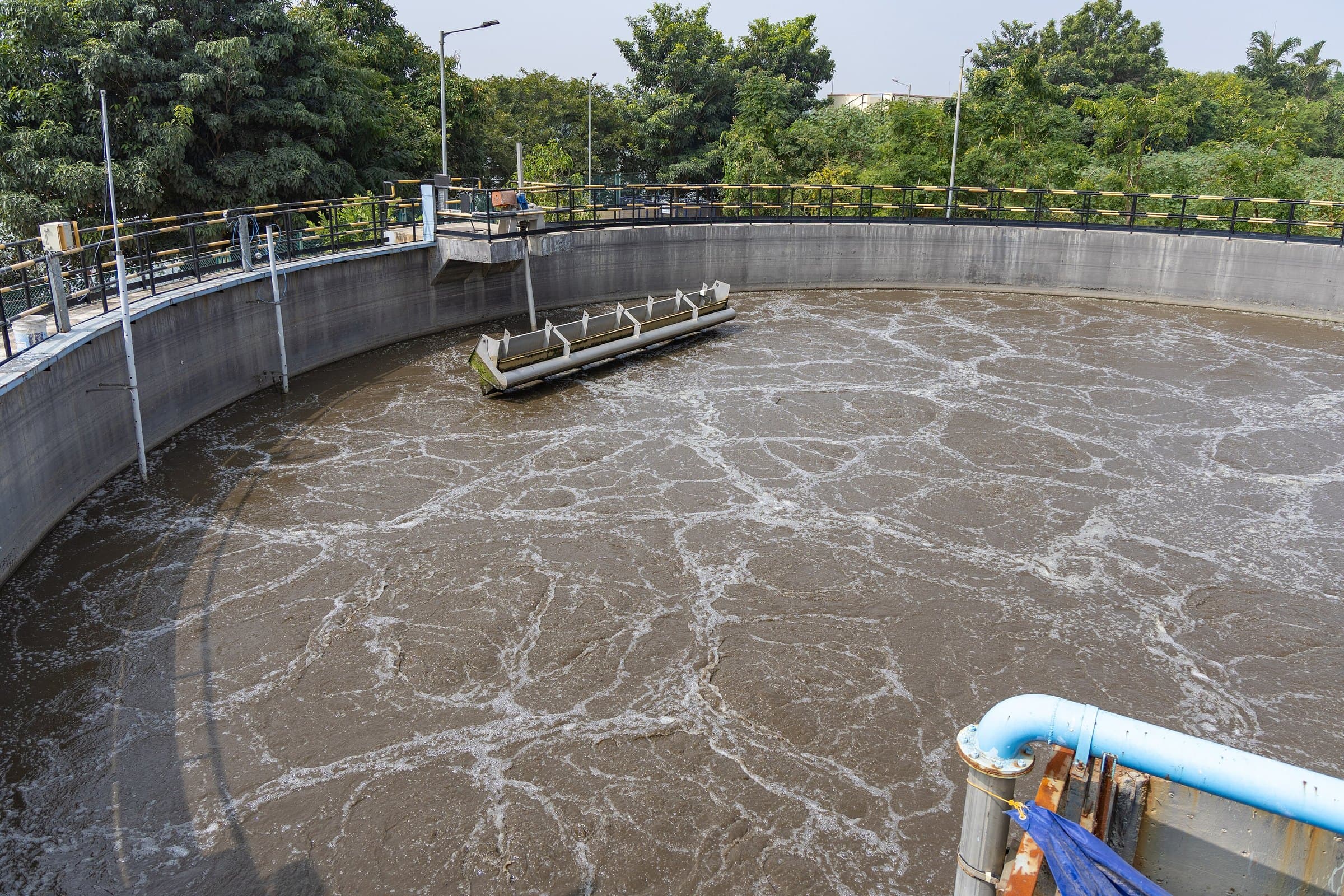
Wastewater Treatment
Extended Aeration
An activated-sludge process using extended aeration periods for stable biological treatment.
Process family · Activated sludge / batch
Typical use · Sewage treatment plants needing a relatively robust biological process
Explore

Wastewater Treatment
Moving Bed Biofilm Reactor
Attached-growth biological treatment using carrier media that provide surface area for microorganisms while moving within the reactor.
Process family · Attached growth
Typical use · Sewage and industrial wastewater needing robust treatment and operational flexibility
Explore
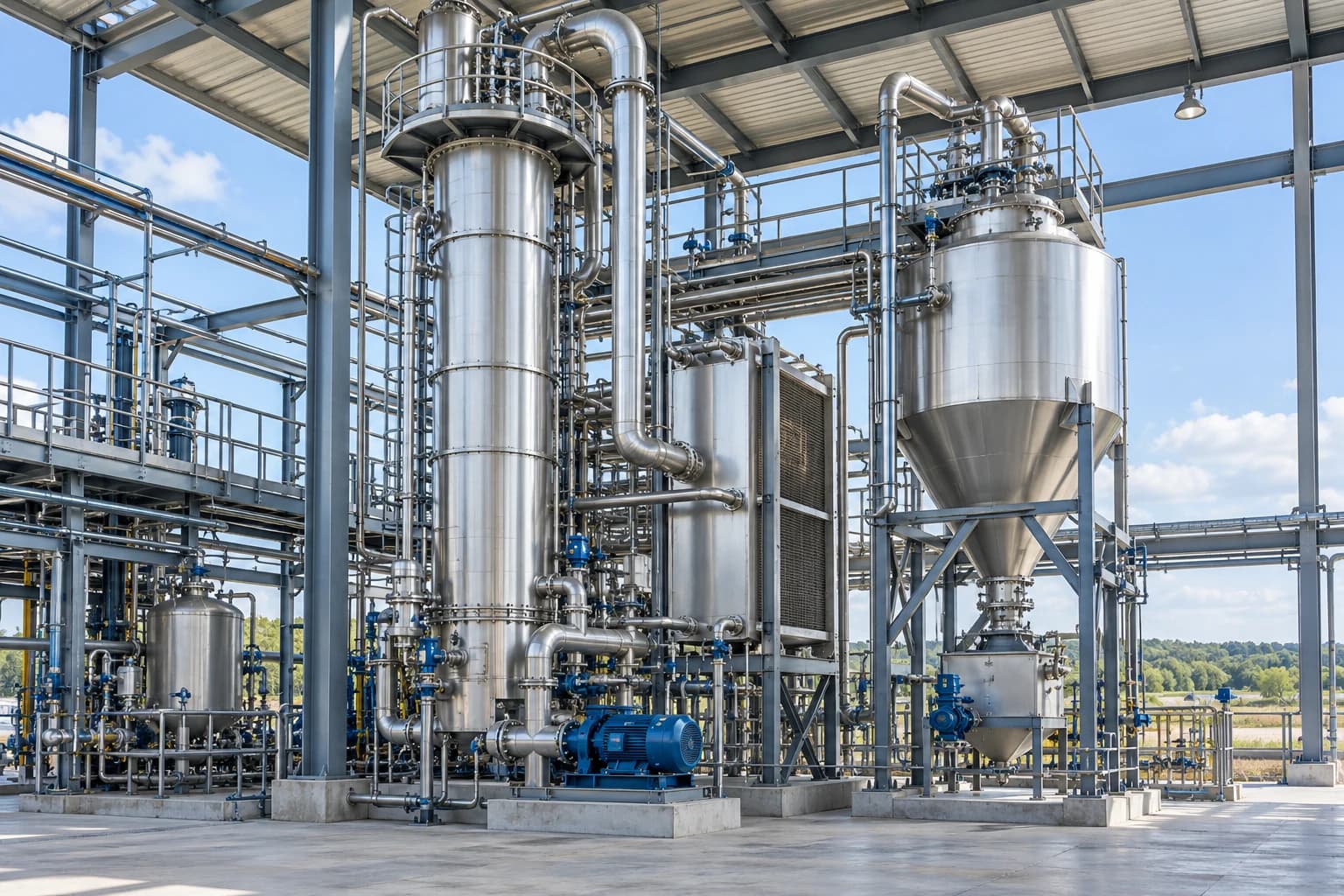
Recovery & Reuse
Zero Liquid Discharge
A treatment and recovery approach combining suitable membrane and thermal processes to recover water while managing concentrated residual streams.
Process family · Advanced recovery / discharge management
Typical use · Industrial sites where liquid discharge must be minimised or eliminated
Explore

Technology selection
Is UASB right for your site?
Technology selection depends on the wastewater, the space available and the treated-water objective. Share what you know about your requirement and our engineering team can help compare the options.