01
Complex effluent
Effluent that can contain dissolved contaminants, solids and process chemicals.
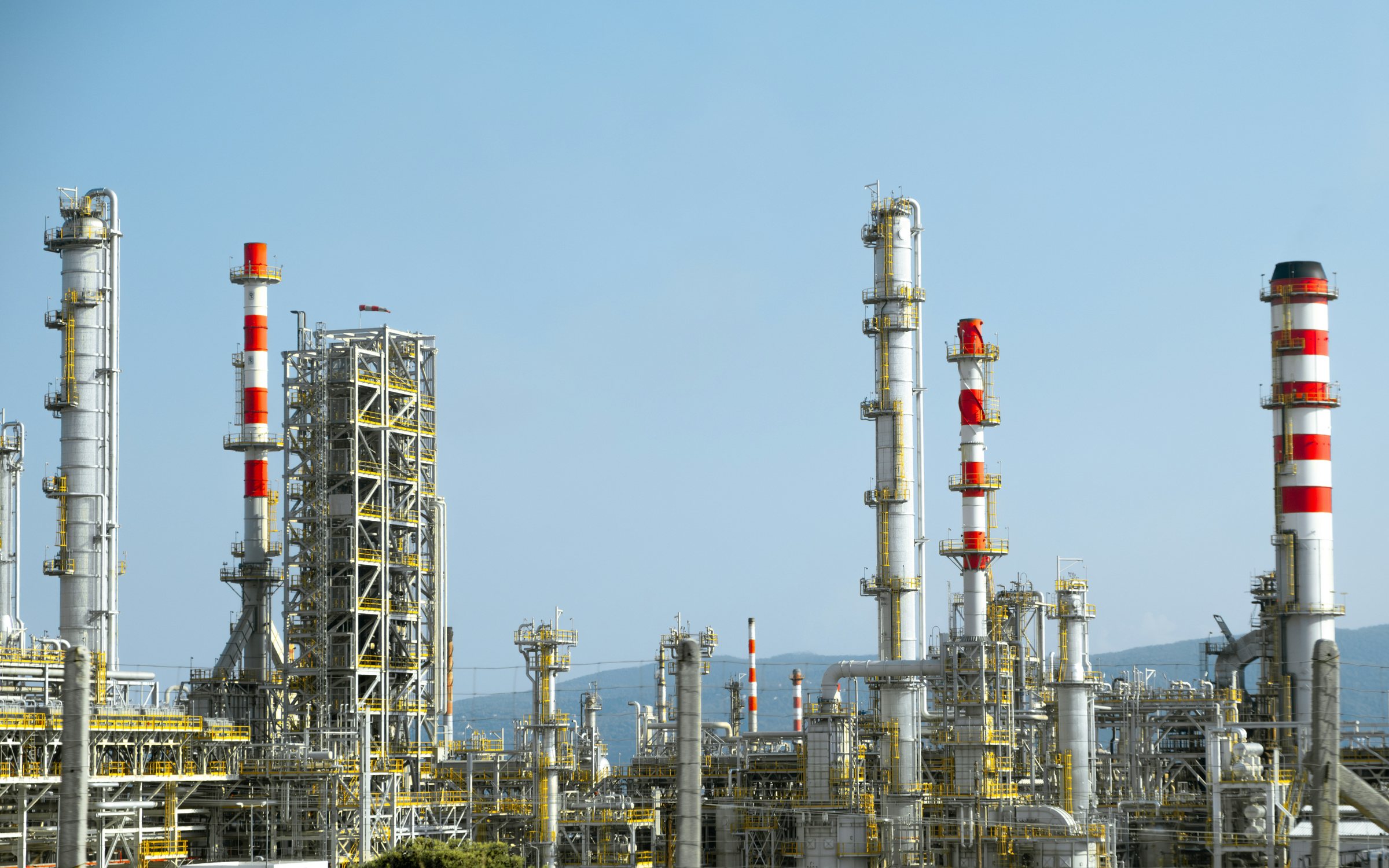
Treatment pathways developed around complex industrial effluent.
From physico-chemical and biological treatment to membranes and recovery.
Understanding the application
Chemical manufacturing can produce effluent with a wide range of dissolved contaminants, solids and process chemicals.
Its characteristics may change between products, batches and campaigns — so a treatment train has to be selected from characterisation, not assumption.
We combine physico-chemical, biological and membrane stages into a pathway suited to the effluent and its discharge or reuse requirement.
The water challenge
Treatment starts with the actual water, wastewater and operating context. These are the typical considerations our engineers assess for chemical applications.
Effluent that can contain dissolved contaminants, solids and process chemicals.
Characteristics that may change between products, batches and campaigns.
Treatment stages selected through characterisation, not assumption.
Meeting the discharge standard, with recovery where technically appropriate.
Our water & wastewater focus
The final treatment train depends on characterisation, site constraints and the required discharge or reuse quality.
Primary and tertiary stages for solids and dissolved contaminants.
Treatment trains built around the characterised effluent.
Biological stages where the effluent is treatable.
Membrane separation for higher treated-water quality.
Recovering water where technically appropriate.
Relevant solutions
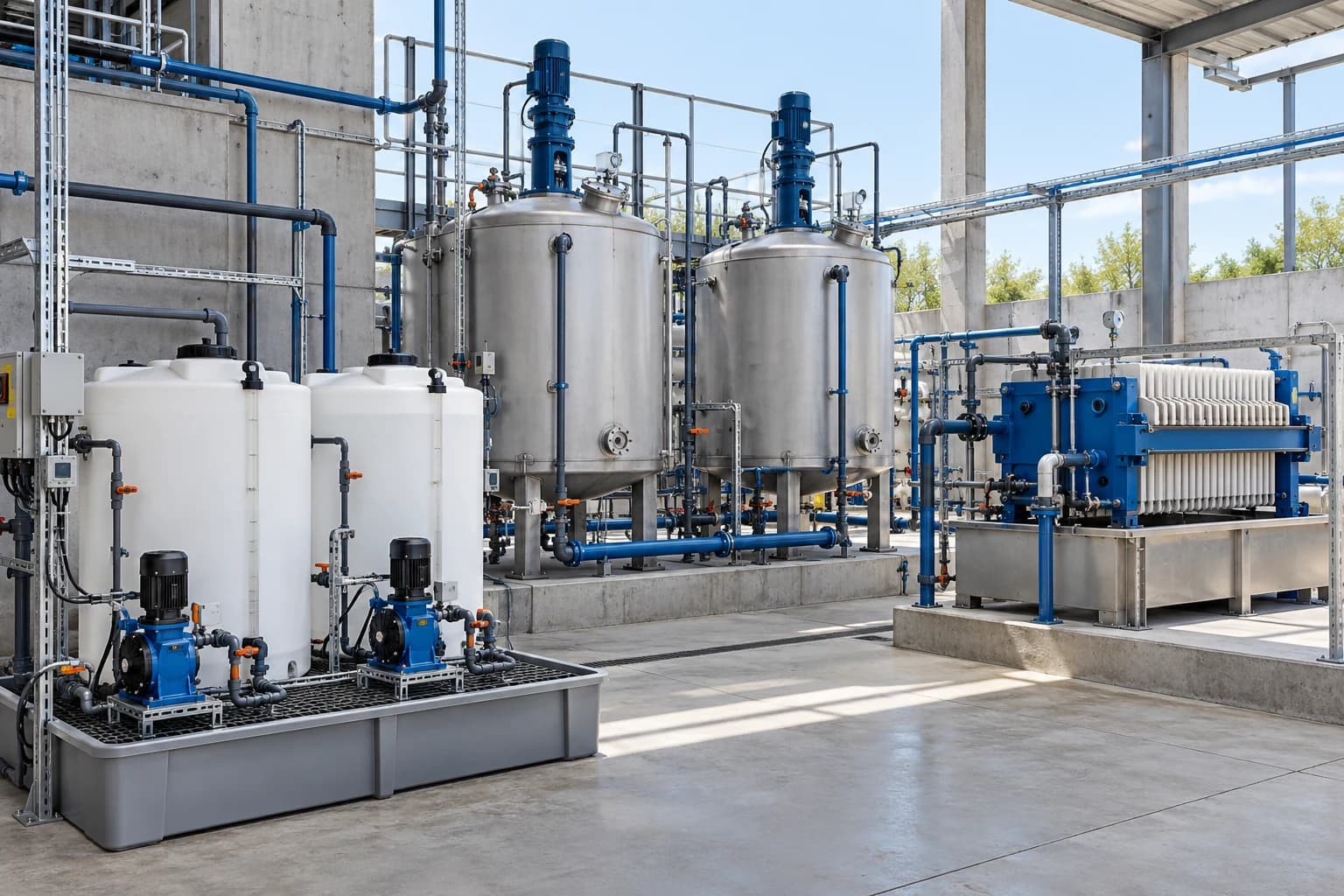
Industrial wastewater, treated around the effluent.
Explore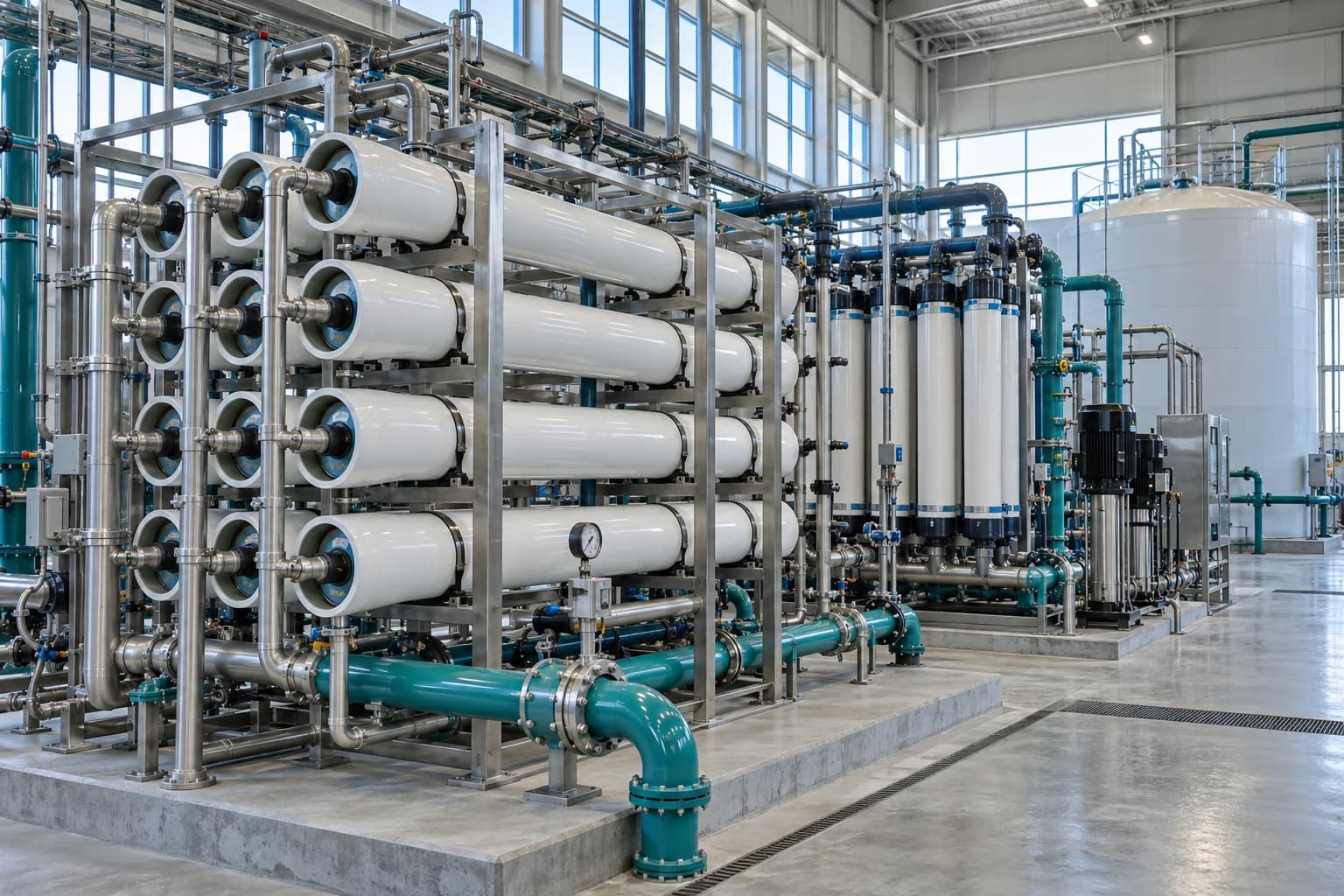
Treated wastewater brought to its reuse quality.
Explore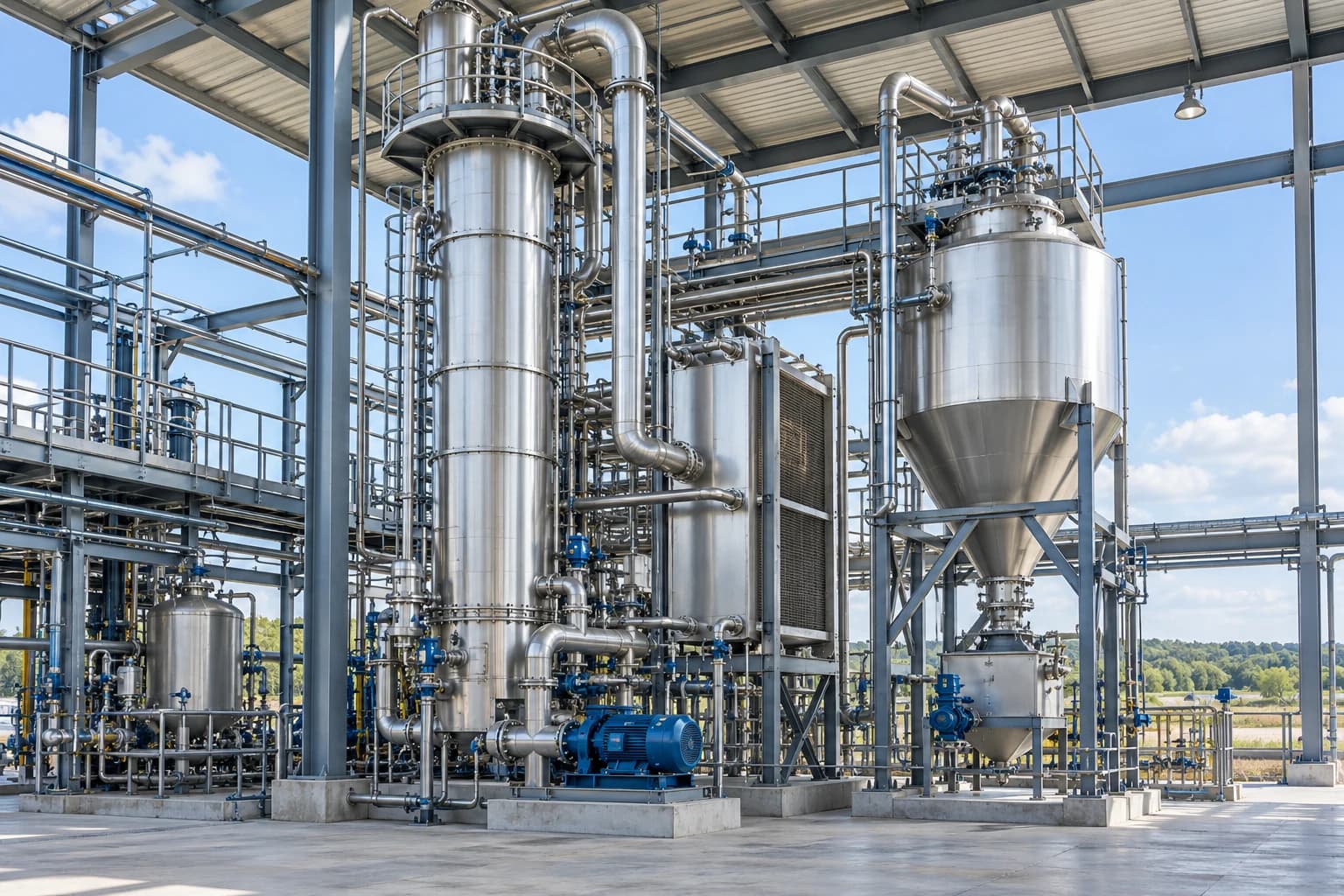
Water recovery where discharge must be minimised or eliminated.
Explore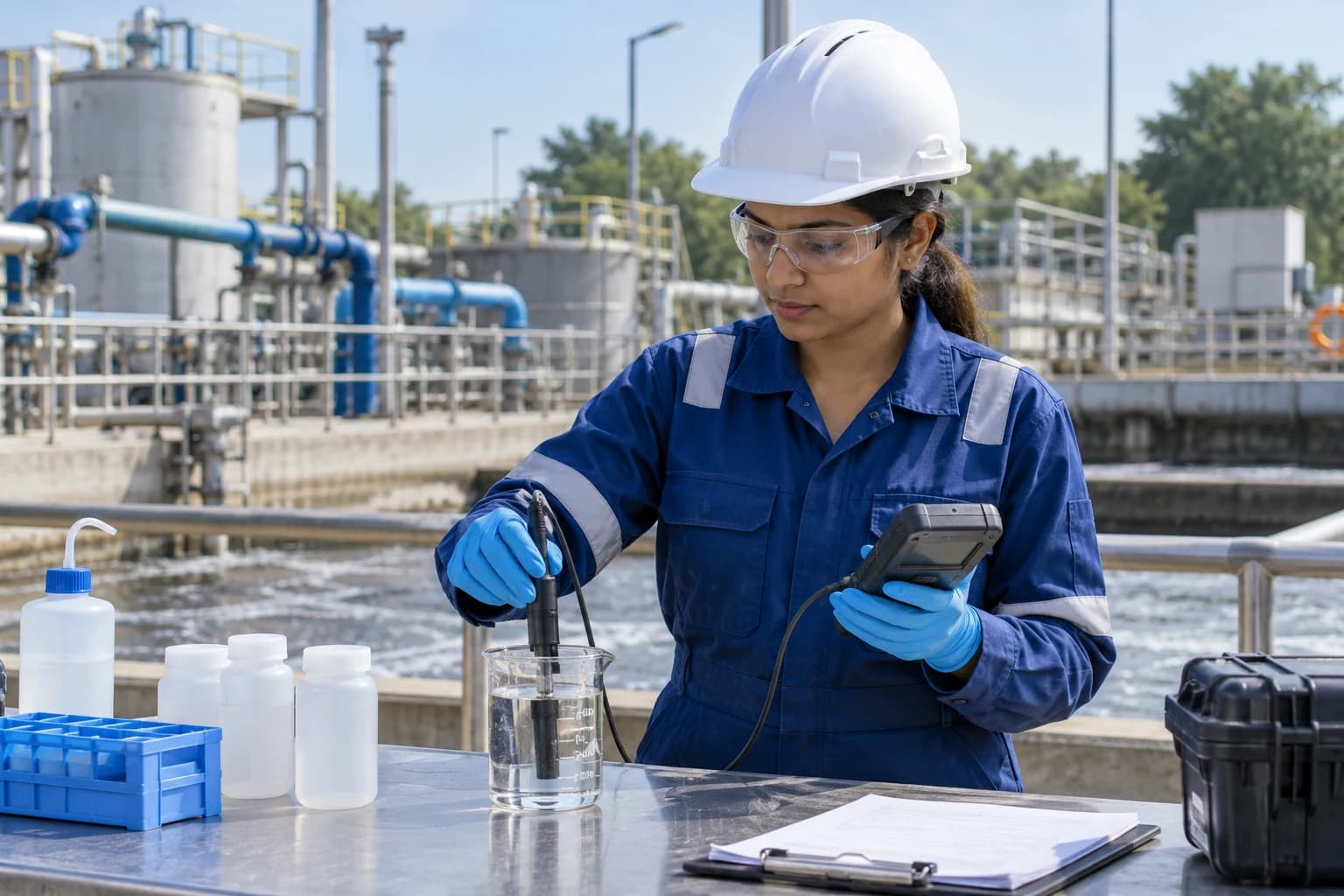
Consultancy, audits and strategic water management.
Explore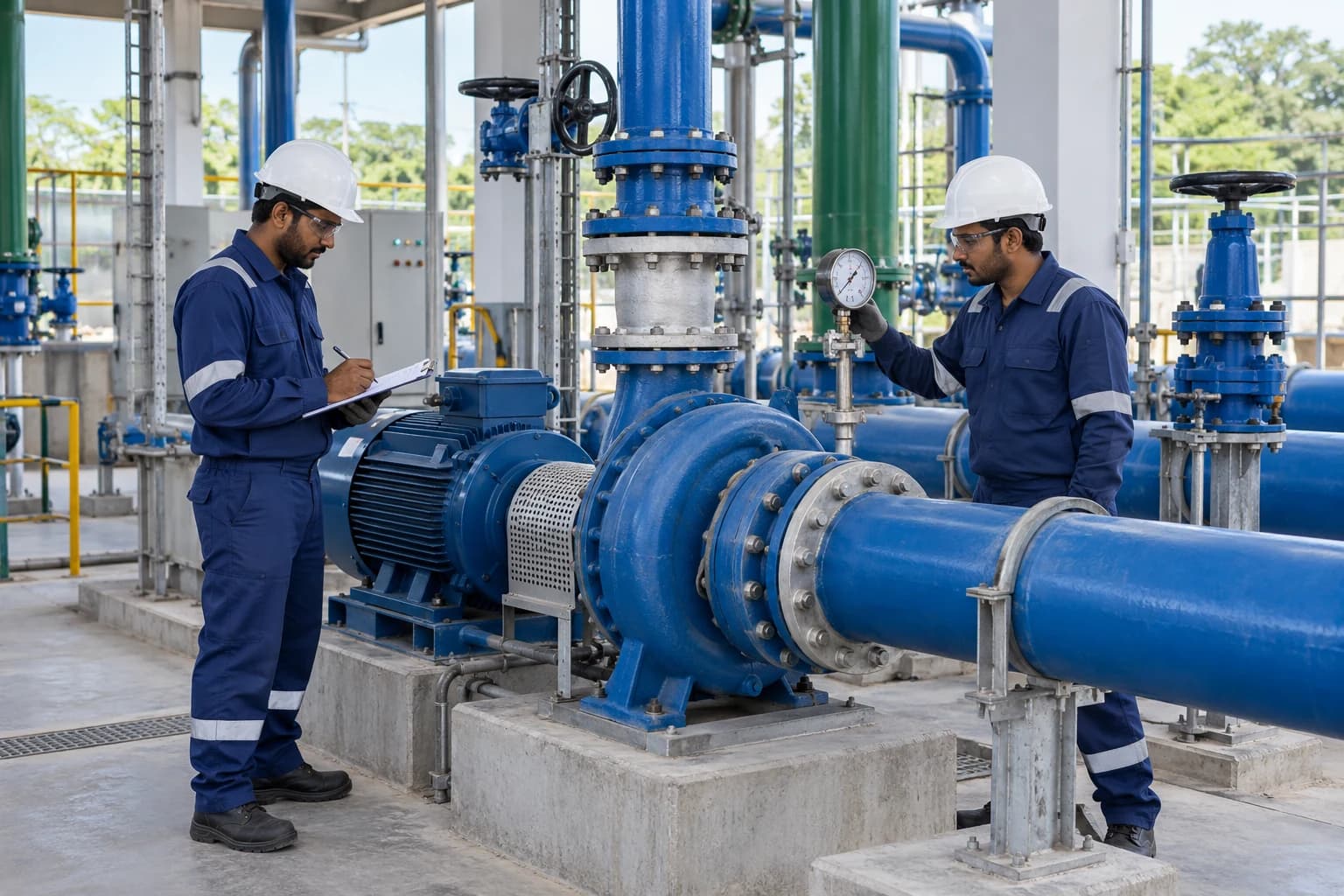
Design, build, operate and improve.
ExploreRelevant technologies
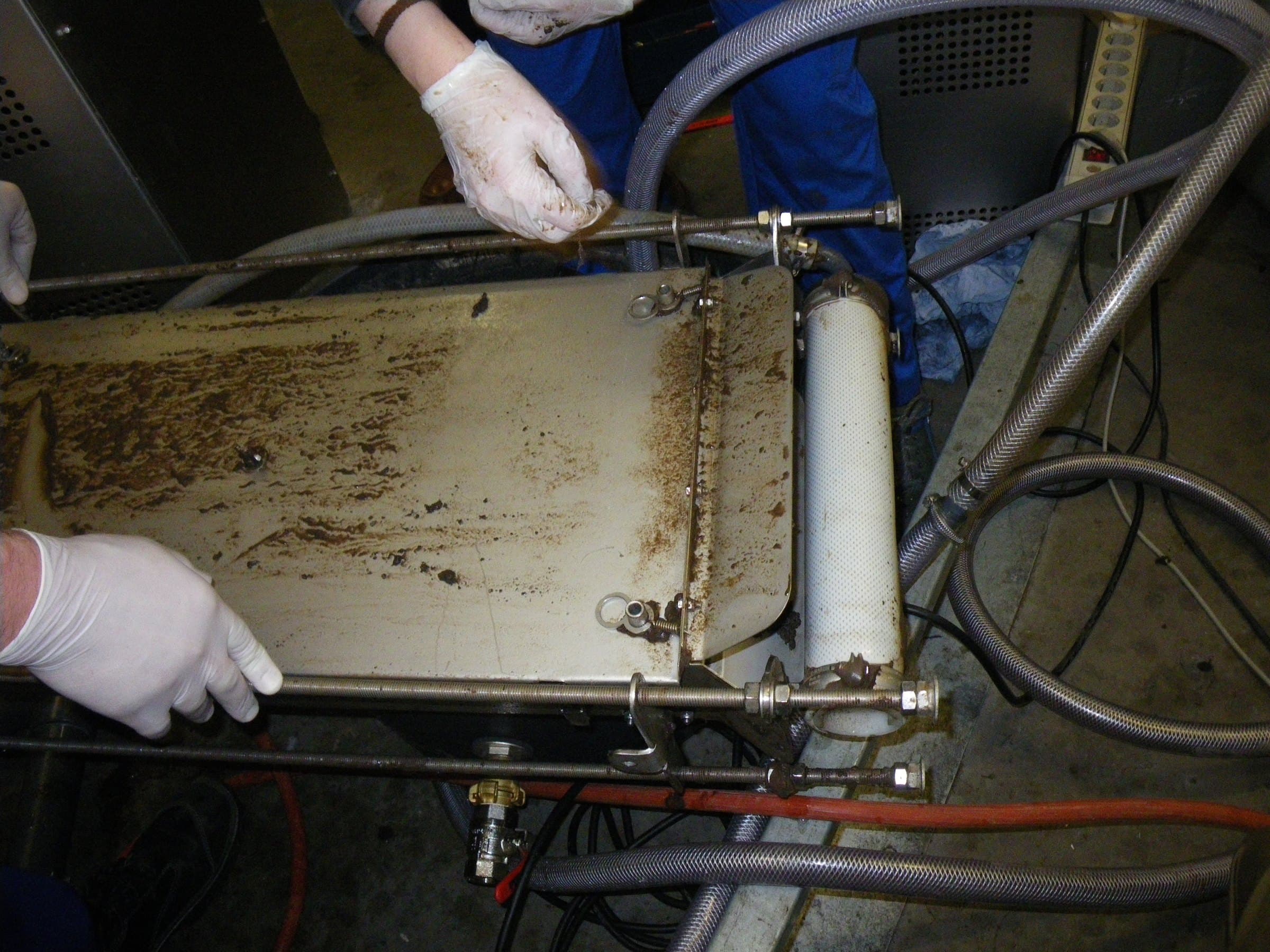
Wastewater Treatment
Biological treatment combined with membrane separation for applications that require a highly clarified treated-water stream.
Process family · Biological + membrane
Typical use · Advanced biological treatment, high treated-water quality or recycling
Explore
Recovery & Reuse
A treatment and recovery approach combining suitable membrane and thermal processes to recover water while managing concentrated residual streams.
Process family · Advanced recovery / discharge management
Typical use · Industrial sites where liquid discharge must be minimised or eliminated
Explore
Before the first conversation
None of this is required to start. The more of it is available, the faster a chemical requirement can move from conversation to an engineering basis.
Which products and processes generate effluent, and whether high-strength or difficult streams are segregated.
Analysis of the key constituents — pH, dissolved solids, organic load and any specific chemicals of concern.
Whether discharge is batch or continuous, and how much it varies.
The discharge or reuse criteria applicable to the site.
Whether recovery or zero liquid discharge is required or being considered.
Existing treatment and the problems it currently has.
Engineering & treatment approach
Understand the application and operating requirement.
Assess the water or wastewater characteristics.
Select the appropriate treatment pathway.
Integrate suitable process stages.
Evaluate reuse or recovery where appropriate.
Commission, operate, maintain and improve the system.
Chemical applications
Share the water source, wastewater characteristics, operating context and required outcome. Our engineering team can help define the appropriate treatment path.